Streamline Your Move with Smart Penny Moving's Top Packing Tips
Moving boxes crushed under uneven weight and misplaced fragile items cause nearly 25% of household damage claims—Master Top Packing Methods for Efficient Moving equips you with proven techniques to avoid costly mishaps and streamline every stage of your relocation. In this guide, you will discover the essential packing supplies that protect belongings, room-by-room strategies that save time, specialized methods for fragile and specialty items, efficiency and organization hacks, smart loading and unloading approaches, professional packing service options, and answers to your most pressing packing questions. By following these expert tips and step-by-step instructions, you’ll transform packing from a daunting chore into a stress-free process that ensures every item arrives secure and intact.
What Are the Essential Packing Supplies for an Efficient Move?
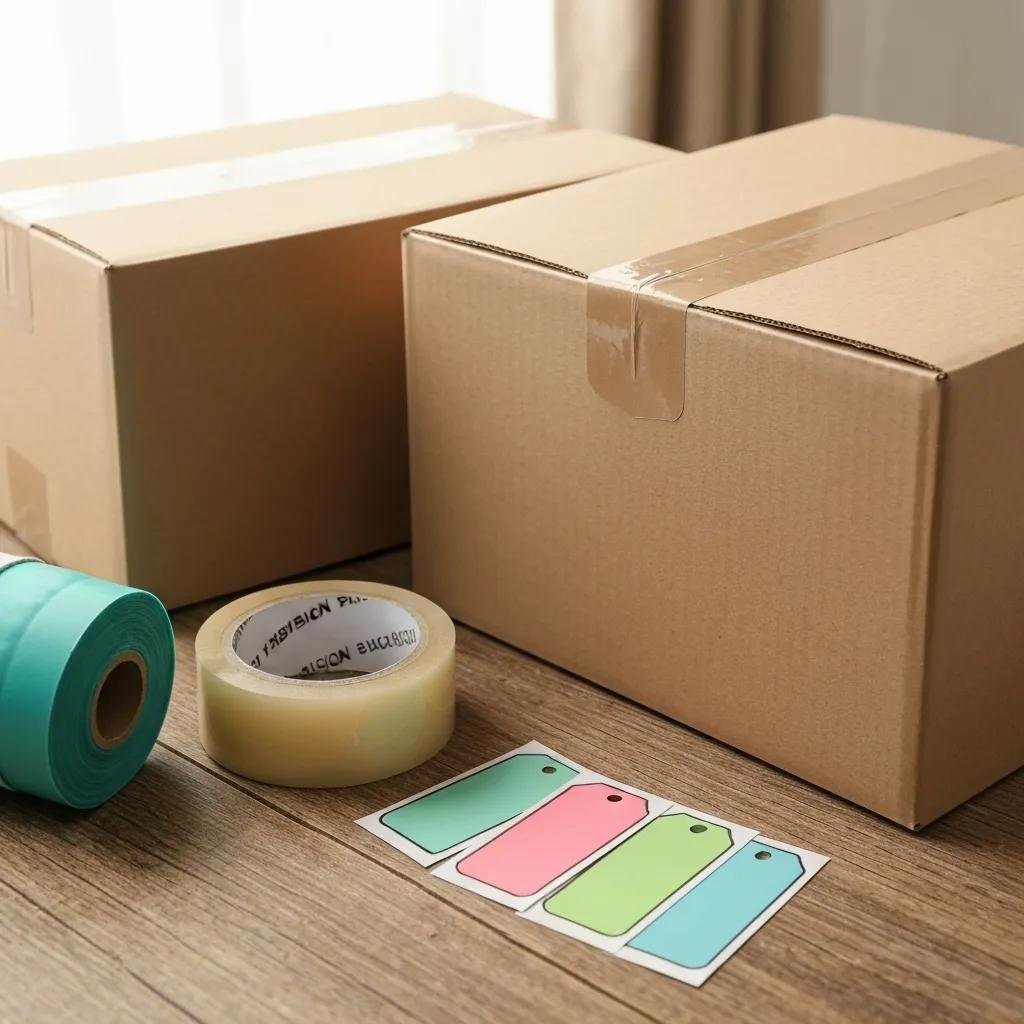
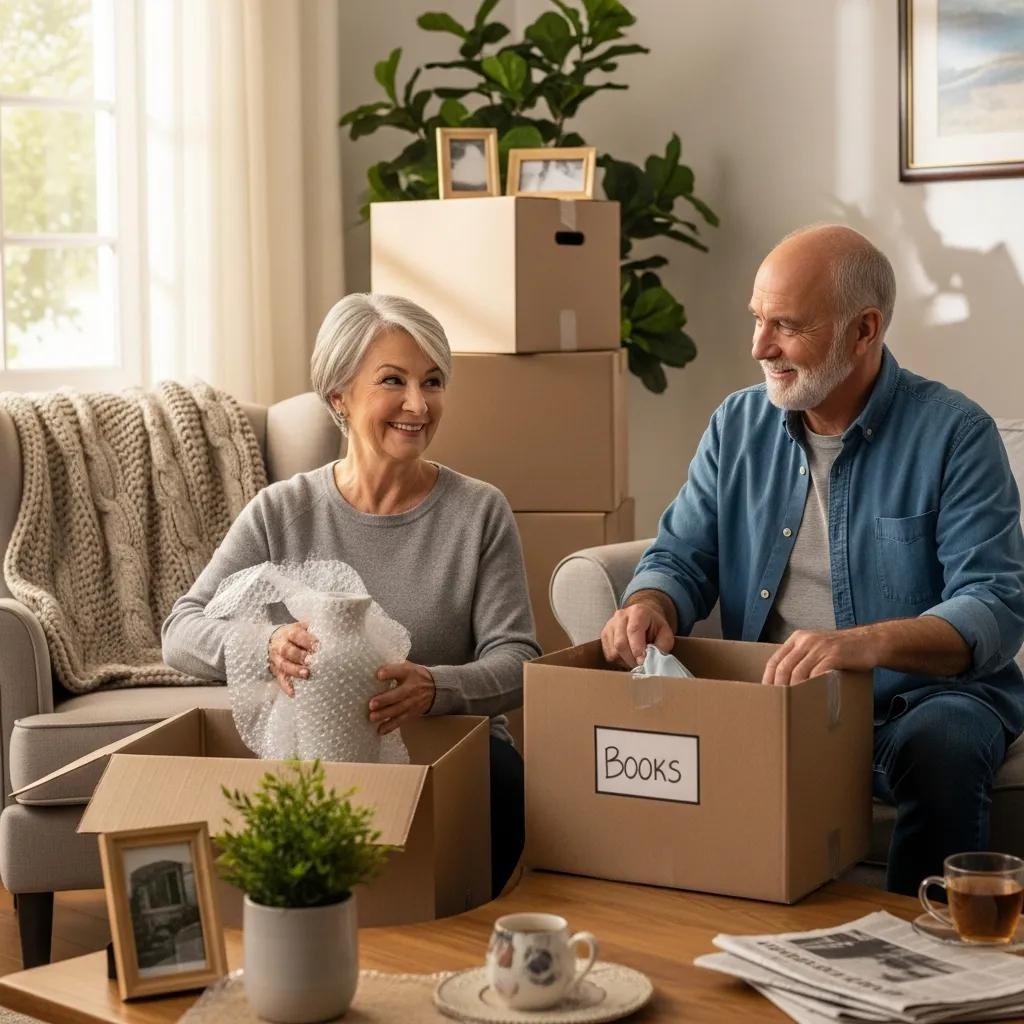
Essential packing supplies form the foundation of any organized move by providing the right tools, materials, and protective barriers to prevent damage. Using sturdy moving boxes, high-adhesion tape, cushioning wrap, and durable labels ensures each item remains secure during handling and transit, leading to fewer breakages and faster unpacking. For instance, rigid dish pack boxes and bubble wrap absorb shocks that could otherwise crack glassware.
Essential Packing Supplies for an Efficient Move
Using sturdy moving boxes, high-adhesion tape, cushioning wrap, and durable labels ensures each item remains secure during handling and transit, leading to fewer breakages and faster unpacking.
Moving.com, Moving Supplies Checklist (2022)
Which Moving Boxes Are Best for Every Type of Item?
Moving boxes are specially designed containers that safeguard specific belongings by matching strength, size, and internal support to item characteristics, which prevents shifting and crushing during transport. Choosing the right box type improves stacking efficiency and protects contents against impact and moisture.
Before reviewing box options, gather the following:
- A variety of box sizes to match small electronics, medium décor, and large linens.
- Specialty boxes—dish packs for kitchenware and wardrobe cartons for clothing.
- Reinforced bottoms on heavy-duty boxes to support dense items like books.
Selecting the right box type and reinforcing critical seams lays the groundwork for room-by-room packing strategies.
How Do Eco-Friendly Packing Materials Improve Your Move?
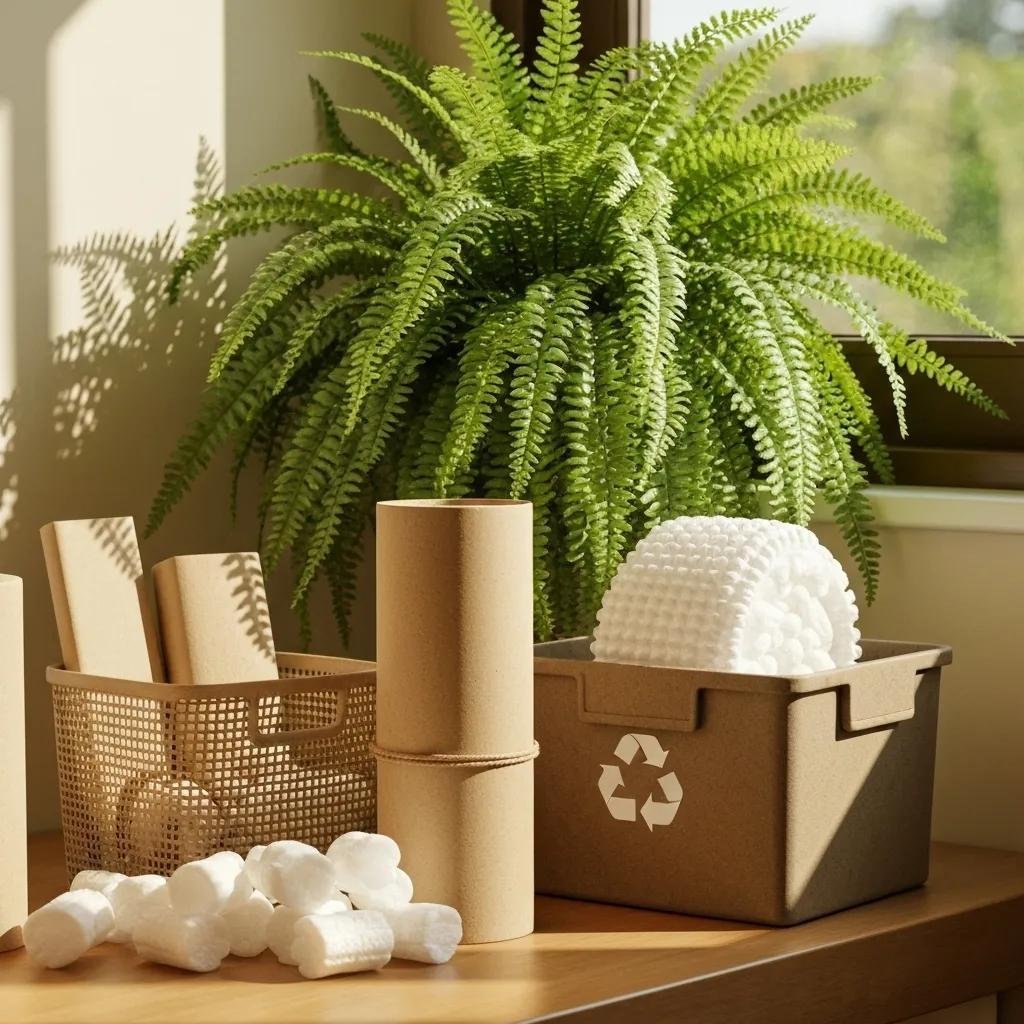
Eco-friendly packing materials replace traditional single-use plastics with sustainable alternatives, reducing waste and delivering comparable protection and cost efficiency. Biodegradable packing peanuts, recycled paper wrap, and reusable plastic bins absorb shocks and guard surfaces while lowering your carbon footprint and landfill impact.
- Biodegradable peanuts cushion delicate items and dissolve in water when discarded.
- Recycled paper wrap conforms to odd shapes without tearing under pressure.
- Reusable plastic bins stack securely and eliminate ongoing box purchases.
Using these materials not only safeguards belongings but also supports eco-conscious moving practices, paving the way to advanced sealing and taping methods.
What Are Advanced Taping and Sealing Techniques for Secure Packing?
Advanced taping and sealing techniques ensure boxes remain closed under stress, preventing contents from spilling and reducing the need for re-taping. Three key methods include:
- H-Tape Closure: Apply tape in an “H” shape across all box flaps to reinforce edges and corners.
- Reinforced Seam Lining: Double-tape fragile-item boxes at the bottom seam to support extra weight.
- Pressure-Sensitive Tape: Use high-adhesion, tear-resistant tape that bonds to corrugated surfaces for long-haul stability.
Mastering these sealing strategies locks in cushioning and prepares you to tackle room-specific packing workflows.
How Can You Pack Each Room Efficiently for a Smooth Move?
Packing each room efficiently means tailoring methods to item types and usage patterns, reducing redundancy and preventing damage while saving time. By grouping belongings by category and protecting them with the right supplies, you’ll accelerate both packing and unpacking. Understanding room-specific priorities enhances overall move coordination and sets the stage for tackling fragile and specialty items.
What Are the Best Practices for Packing Your Kitchen Like a Pro?
Packing your kitchen efficiently prevents breakages and speeds preparation for cooking in your new home. Start by emptying cabinets, sorting items by fragility, and grouping like with like to optimize box weight and organization.
- Wrap fragile glassware and dishes individually in paper or bubble wrap.
- Use dish pack boxes with internal cell dividers to prevent direct contact.
- Stack heavier cookware on the bottom of medium boxes and lighter items on top.
- Label each box with “Kitchen” and a brief contents list for quick unpacking.
These practices protect delicate dinnerware and create clear unpacking instructions, leading directly into bedroom and closet packing techniques.
How Do You Organize and Pack Bedrooms Efficiently?
Efficient bedroom packing begins with sorting apparel, accessories, and bedding, then selecting protective containers and space-saving methods. Group clothes by type and season to minimize sorting later.
- Vacuum-seal off-season garments to reduce volume.
- Use wardrobe boxes for hanging clothes to eliminate ironing.
- Pack linens and pillows in large, lightweight cartons.
- Place shoes in individual shoe boxes or sealed plastic bags.
Organized bedroom boxes and pre-sorted wardrobes make resettling quick and comfortable, guiding you toward secure home office equipment packing.
How Should You Securely Pack Home Office Equipment and Electronics?
Home office items require specialized packing to protect delicate circuits, screens, and accessories from static, moisture, and impact. Follow these steps for a streamlined setup at your destination.
- Wrap monitors, printers, and CPUs in anti-static bubble wrap.
- Remove and bag cords separately, labeling each for reconnection.
- Place smaller accessories (mice, keyboards) in zip-top bags and cushion with padding.
- Use original manufacturer boxes where available for a precise fit.
Properly packaged electronics mitigate shock and dust exposure, setting the stage for dedicated fragile and specialty item methods.
What Are the Best Ways to Pack Fragile and Specialty Items Safely?
Packing fragile and specialty items demands extra cushioning, strategic layering, and custom containment to preserve value and integrity. Applying professional-grade materials and techniques prevents breakage even under rough handling, ensuring a stress-free move.
How Do You Pack Glassware and Dishes Without Damage?
Glassware and dishes are vulnerable to chips, cracks, and shattering, so isolating each piece and controlling box movement is essential.
- Wrap each item with cushioning paper or bubble wrap.
- Fill any voids in dish pack boxes with crumpled paper or foam inserts.
- Pack plates vertically like records to distribute weight evenly.
- Seal the box’s bottom seam with reinforced tape.
How to Pack Fragile Items for Moving
To protect your fragile items during a move, it’s imperative to stock up on packing materials beforehand. Packing paper is the first line of defense for fragile items, so use it in abundance as a shock-absorbing layer filling up empty space inside your boxes.
Clutter, How to Pack Fragile Items for Moving (2025)
Isolating and cushioning fragile kitchenware prevents impact damage and paves the way to antique and artwork protection techniques.
What Are Expert Tips for Protecting Artwork and Antiques During a Move?
Artwork and antiques require tailored packing solutions that maintain shape, finish, and structural integrity by combining custom crates, acid-free materials, and climate control.
- Use corner protectors and foam boards against frame edges.
- Wrap canvases and sculptures in acid-free paper before bubble wrapping.
- Pack in custom-sized crates to eliminate movement.
- Label “Fragile—Handle with Care” on all sides for carrier awareness.
These steps secure heirlooms and lead into appliance and electronics safeguarding methods.
How Can You Safely Pack Electronics and Appliances for Moving?
Large electronics and appliances need sturdy support, moisture protection, and secure suspension to survive loading and unloading jostles.
- Disconnect, dry, and wrap components in bubble wrap and shrink film.
- Place moisture-absorbing desiccant packs inside sealed boxes.
- Use furniture pads on exposed surfaces and secure them with stretch wrap.
- Anchor heavy appliances in place with straps once inside the truck.
By protecting big-ticket electronics and appliances, you ensure operational readiness at your new location and transition smoothly to packing efficiency and organization strategies.
How Do You Maximize Efficiency and Organization When Packing?
Maximizing packing efficiency relies on preparation, systemized labeling, and an essentials-only mindset for moving day necessities. Establishing a clear workflow reduces decision fatigue and accelerates the entire relocation process.
What Are the Step-by-Step Decluttering Tips Before Packing?
How to Declutter Before Moving
Decluttering before moving can be a long process, but it’s worth it. Be sure to go through everything. Hit the cabinets from front to back, go through those junk drawers, reassess all pieces of clothing, gadgets, old boxes — everything.
PODS Blog, How to Declutter Before Moving? 13 Pro Tips (2024)
Completing these decluttering steps streamlines resource use and leads directly into labeling and inventory management techniques.
How Do You Use Labeling and Inventory Systems for Moving?
Effective labeling and inventory tracking turn piles of boxes into an organized timeline of your relocation. Clear identifiers speed retrieval and prevent misplacement.
- Employ color-coded tape or markers to denote rooms.
- Assign sequential numbers to boxes and record contents in a digital spreadsheet.
- Photograph box contents before sealing for quick reference.
- Create a master inventory list linking numbers to detailed contents.
Labeling items for inventory
Create a simple labeling system to make your move more organized. Use numbers or colors to mark each box based on the room it belongs to. For example, assign the kitchen a specific color or number, like blue or “1,” and do the same for other rooms.
Spyder Moving and Storage, Create an inventory system while packing for your move (2024)
A robust labeling system guarantees rapid unpacking and transitions naturally into assembling your essential moving day box.
What Should You Include in an Essential Moving Day Box?
An essential moving day box holds crucial items you’ll need immediately upon arrival, ensuring comfort and continuity on day one.
- Basic toiletries and a change of clothes.
- Phone chargers, power strips, and extension cords.
- Important documents like IDs, leases, and medical records.
- Basic toolkit (screwdriver, scissors, tape).
Packing this box last and loading it first secures immediate access and completes your pre-move organization workflow.
What Are Smart Loading and Unloading Techniques for Efficient Moving?
Smart loading and unloading techniques optimize truck space utilization, protect packed boxes from shifting, and accelerate unpacking by grouping items by priority.
How Do You Strategically Stack Boxes in Moving Trucks?
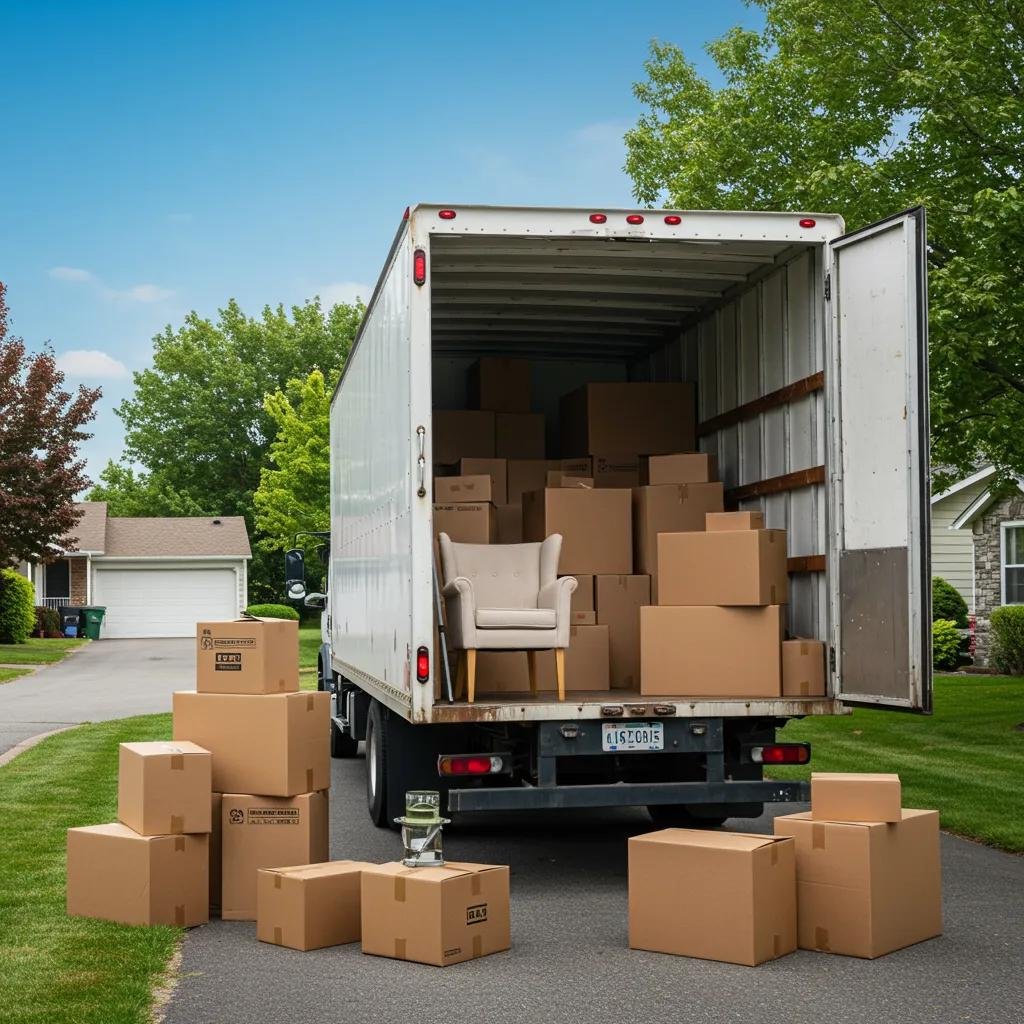
Strategic box stacking distributes weight evenly and prevents toppling by placing heavier, sturdier cartons at the bottom and lighter ones above.
- Position heavy-duty boxes on the floor, filling gaps with soft items like towels.
- Group similar box sizes in columns to stabilize walls of the load.
- Secure stacks with moving straps anchored to truck tie-points.
Strategic box stacking in moving trucks
How you stack your boxes in the moving truck is crucial for avoiding damage. Follow these stacking tips: Heavy Boxes on the Bottom: Place heavy boxes first to create a stable base. Fragile Boxes on Top: Keep fragile items higher up where they’re less likely to be crushed.
BluBox-It, Packing and Stacking Moving Boxes: Tips to Avoid Damage (2024)
These methods lock your packing integrity for transit and set the stage for an orderly unloading and unpacking sequence.
What Are Effective Unpacking Strategies for a Smooth Transition?
Effective unpacking follows a room-by-room order, starting with essentials and progressing to less critical spaces, preserving the initial organization you established.
- Unload and set up the essential moving day box first.
- Prioritize high-traffic rooms such as kitchen and bathroom.
- Recycle or consolidate packing materials as you go.
- Arrange furniture before unpacking decorative items.
This systematic approach restores functionality quickly and concludes the loading phase with a calm, efficient progression into your new home.
How Can Professional Packing Services Enhance Your Moving Efficiency?
The Benefits of Using Professional Packing Services
Professional packing services offer numerous advantages, making your move smoother and less stressful. They save you time by packing efficiently, reduce the stress associated with moving, and provide the freedom to focus on other essential tasks.
RS Moving & Warehousing, The Benefits of Using Professional Packing Services (2025)
What Packing Assistance Options Does Smart Penny Moving Offer?
Smart Penny Moving offers flexible packing assistance plans tailored to every budget and complexity level, ensuring efficient handling of your possessions.
- Full-Service Packing covers every room from start to finish.
- Partial Packing focuses on specific rooms or item types.
- Fragile-Only Packing applies expert care to delicate collectibles.
These options adapt to your needs, integrating seamlessly with your move timeline and leading into solutions for awkward or oversized items.
How Do Professional Packers Handle Awkward or Oversized Items?
Professional packers use custom crating, lifting equipment, and modular padding to manage items that defy standard boxes and carry elevated risk.
- Custom wooden crates support valuable artwork and sculptures.
- Specialty dollies and lifts distribute weight for heavy furniture.
- Disassembly and color-coded hardware bags simplify reassembly.
This specialized approach preserves item integrity and transitions naturally into requesting quotes and supplies.
How Can You Get a Free Quote and Order Packing Supplies from Smart Penny Moving?
Getting started is simple: submit your move details online or call our relocation specialists to receive a no-obligation, transparent quote. You can also order high-quality packing supplies directly through our website—wardrobe boxes, dish packs, bubble wrap, and more—delivered to your door.
Requesting a free quote and obtaining professional-grade materials elevates your packing process and bridges seamlessly into informed answers for common packing challenges.
What Are Common Questions About Efficient Packing for Moving?
These concise answers address top concerns about maximizing packing effectiveness, protecting delicate items, avoiding overwhelm, and expediting the process with time-saving hacks.
How Do I Maximize My Packing for a Move?
Maximize packing by decluttering first, selecting the right box sizes for each item category, and using consistent labeling to streamline loading and unpacking. Efficient use of cushioning and reinforcement tape further secures contents and reduces handling delays.
How Can I Pack Small and Fragile Items Safely?
Pack small, fragile items by wrapping each in soft paper or bubble wrap, placing them in compartmentalized dish pack boxes, and filling any empty spaces with crumpled paper or foam to prevent movement. This layered protection absorbs shocks and minimizes contact between items.
How Do I Start Packing Without Getting Overwhelmed?
Begin by creating a room-by-room checklist, tackling non-essential areas first, and dedicating set time blocks to each stage. Decluttering before packing reduces volume, and labeling boxes immediately prevents backtracking, turning a daunting task into manageable steps.
What Are Quick Packing Hacks to Save Time?
Quick packing hacks include using suitcases for clothes, packing linens inside laundry baskets, bundling flatware in rolls of aluminum foil, and keeping screws with the corresponding disassembled furniture pieces in zip-top bags. These shortcuts accelerate the process without sacrificing protection.
Bringing professional insight and proven methods together ensures your move is organized, efficient, and free of last-minute surprises.
Every section of this guide builds on proven packing techniques, so you can confidently address each step of your relocation from start to finish, knowing Smart Penny Moving’s expertise is supporting your stress-free move.