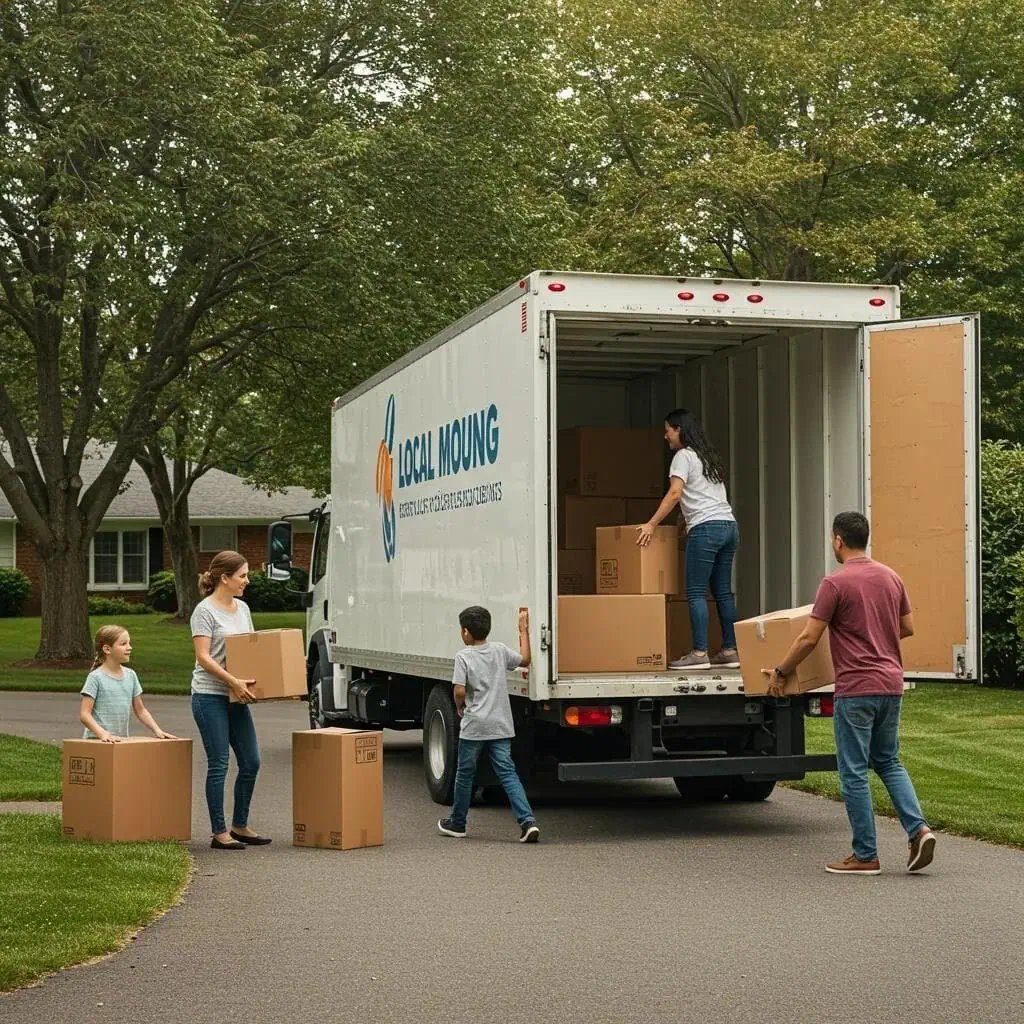
Master Efficient Packing Strategies for Your Move: Expert Tips and Step-by-Step Guides
Moving house often ranks among the most stressful life events, with packing representing the greatest investment of time and energy.
Understanding and Mitigating Moving-Related Stress
Moving is widely recognized as a highly stressful life event, with studies indicating that frequent relocation can significantly increase stress levels. Implementing a structured packing plan and maintaining organization can help mitigate feelings of overwhelm and anxiety during the relocation process.
This citation reinforces the article’s premise that efficient packing strategies are crucial for reducing stress and ensuring a smoother transition during a move.
Efficient packing strategies for moving can cut hours off your prep time, protect your belongings from damage, and reduce overall relocation costs. In this guide, you’ll discover essential packing tips, professional services to save hours on prep, decluttering techniques to lower your moving expenses, safe methods for fragile items, a room-by-room packing checklist, how to assemble your first-night essentials box, and eco-friendly packing solutions. Along the way, Smart Penny Moving – Your Trusted Partner for Stress-Free Relocations offers expert support to ensure every box is packed with care and efficiency.
How Do You Pack Efficiently for a Move? Essential Packing Tips for Moving House
Efficient packing for a move means combining organization with speed so that each box is labeled, protected, and ready to load without last-minute scrambling. By grouping similar items, using uniform boxes, and scheduling your packing phases, you eliminate wasted time and reduce stress on moving day.
What Are the Must-Have Packing Supplies for a Smooth Move?
To pack smoothly, you need sturdy, well-designed supplies that protect items and stack uniformly. Essential packing materials include various box sizes, cushioning wraps, strong tape, and clear labeling tools.
- High-quality moving boxes in small, medium, and large sizes
- Packing paper or bubble wrap for fragile belongings
- Heavy-duty packing tape with a dispenser for fast sealing
- Permanent markers and color-coded labels for room identification
- Specialty boxes (wardrobe, dish pack, electronics) for bulky or delicate items
Below is a comparison of common packing supplies based on their purpose and strength.
Uniform, purpose-built supplies prevent overpacking or under-cushioning and set the stage for an orderly move.
How to Organize Your Packing Timeline for Maximum Efficiency?
A structured packing timeline ensures you make steady progress and avoid last-minute chaos. Begin planning eight weeks out and assign tasks weekly.
- 8 Weeks Before: Take inventory, gather supplies, and book moving services.
- 6 Weeks Before: Start non-essential rooms—attic, guest bedroom, storage.
- 4 Weeks Before: Pack decorative items, seldom-used kitchenware, and seasonal clothing.
- 2 Weeks Before: Pack living areas and bedrooms, leaving everyday items aside.
- 1 Week Before: Prepare essentials box and finish remaining kitchen items.
Following a week-by-week breakdown keeps every stage focused and prevents overwhelm as moving day approaches.
What Are the Best Labeling and Box Organization Strategies?
Clear labeling speeds unloading and unpacking by creating a navigable map of your belongings. Use a combination of color codes, room names, and brief content descriptions.
- Assign each room a unique color and label boxes with the matching hue.
- Include a concise contents list on two adjacent sides of each box.
- Mark boxes “FRAGILE” or “HEAVY” prominently to guide movers.
- Number boxes and maintain a digital inventory catalog linking box numbers to contents.
Color-coded, numbered, and detailed labels transform a pile of boxes into a logical arrangement that enhances unpacking speed and protects delicate items.
What Professional Moving and Packing Services Can Help You Save Time and Stress?
Professional packing services deliver trained staff, specialized materials, and streamlined processes that cut prep time and reduce damage risk. When you enlist experts, you gain efficiency, reliability, and extra peace of mind.
What Does Full-Service Packing Include and When Should You Choose It?
Full-service packing means the moving company handles every aspect of boxing your belongings from start to finish. This option includes:
- On-site packing team with uniformed staff
- High-grade packing materials and custom crating for valuables
- Disassembly and reassembly of furniture pieces
- Complete wrap, label, and inventory management
You should choose full-service packing when you have limited time, high-value items, or large households needing professional oversight.
How Does Partial Packing Assistance Work?
Partial packing assistance blends DIY efforts with expert support on specific areas. You pack essentials and personal items yourself while professionals tackle:
- Fragile dishware and glassware
- Art, mirrors, and electronics
- Bulky or specialty items requiring custom crates
This hybrid approach balances cost savings with expert care for items that demand specialized handling.
What Are the Benefits of Hiring Professional Unpacking Services?
Unpacking services accelerate move-in and reduce post-move clutter by having pros:
- Remove all packing materials and debris
- Place furniture, décor, and electronics in final positions
- Re-hang artwork and organize closets
- Dispose of or recycle packing supplies
Post-move unpacking transforms a new house into a home in record time and spares you the chore of waste management.
How Should You Declutter Before Moving to Simplify Packing and Reduce Costs?
Decluttering eliminates unwanted possessions, shrinks volume, and lowers overall moving costs. A focused purge ensures you only pay to move what you truly need.
The Mental Health Benefits of Decluttering
Research indicates that decluttering and organizing physical spaces can significantly reduce stress, improve focus, and boost mood. Studies from institutions like the University of Connecticut and Princeton University have shown that a cluttered environment can impede focus and productivity, while an organized space fosters mental clarity and a sense of control.
This research directly supports the article’s section on how decluttering simplifies packing and reduces costs by highlighting the psychological advantages of an organized environment.
What Is the Four-Box Method for Effective Decluttering?
The four-box method is a streamlined decision framework to sort belongings into Keep, Donate, Sell, or Trash piles. This guided approach helps you make quick, confident choices.
- Keep: Items you use frequently or hold sentimental value.
- Donate: Good-condition items that benefit others.
- Sell: Valuable goods worth a small investment of time.
- Trash: Broken or unusable items.
Adopting this systematic process prevents indecision and accelerates pre-move preparation.
Where Can You Donate or Sell Items Before Your Move?
Local donation centers, thrift stores, and online marketplaces provide outlets for unused belongings. Common options include:
- Habitat for Humanity ReStore for furniture and building supplies
- Goodwill and Salvation Army drop-off points
- Facebook Marketplace, Craigslist, or local consignment shops
- Community fundraising events and charity drives
Donating or selling unwanted items not only lightens your load but also supports community causes.
How Does Decluttering Improve Packing Efficiency and Moving Costs?
Decluttering directly reduces the number of boxes, the weight of your shipment, and required labor hours. Fewer items translate to:
- Lower moving quotes due to reduced volume
- Less packing time and fewer materials needed
- Easier unpacking and organization in your new home
A thorough purge pays dividends in cost savings and streamlined packing phases.
How Do You Pack Fragile Items Safely to Prevent Damage During Your Move?
Safely packing fragile items involves layering protection at every step and using materials designed to absorb shocks. Proper techniques reduce breakage and preserve valuable possessions.
What Are the Best Techniques for Packing Dishes and Glassware?
For dishes and glassware, use a dedicated dish pack box with cell dividers. Follow these steps:
- Wrap each plate or glass in packing paper, securing with tape.
- Place plates vertically, like records, to distribute pressure evenly.
- Fill empty spaces with crumpled paper or foam to prevent movement.
- Seal and label each box as “FRAGILE” and indicate upright orientation.
Consistency in wrapping and cushioning ensures maximum impact resistance for breakables.
How to Protect Artwork, Mirrors, and Electronics When Moving?
Artwork, mirrors, and electronics benefit from custom crating and layered padding:
- Use corner protectors and foam boards for framed pieces.
- Wrap electronics in anti-static bubble wrap and secure cables separately.
- Pack mirrors vertically between foam sheets inside a mirror box.
Specialized materials and custom packaging prevent scratches, cracking, and internal component damage.
Which Packing Materials Are Essential for Fragile Items?
High-performance cushioning and containment products safeguard delicate belongings:
Selecting the right materials for each fragile category creates layered protection that holds up during transit.
What Is the Best Room-by-Room Packing Checklist to Stay Organized?
A room-by-room checklist breaks the monumental task of moving into bite-sized phases, ensuring you address each space methodically.
How to Pack Your Kitchen Efficiently and Safely?
In the kitchen, sort by frequency of use and fragility:
- Non-Essentials First: Vases, specialty cookware, decorative dishes
- Pots and Pans: Stack with paper between each item to avoid scratches
- Utensils and Gadgets: Bundle small tools in resealable bags and box by category
- Countertop Appliances: Clean, wrap cords separately, and pack in original boxes if available
Tackling rarely used items early leaves daily utensils available until the final days.
What Are the Top Tips for Packing Bedrooms and Closets?
Closet and bedroom items call for targeted containers:
- Use wardrobe boxes to transport hanging garments without folding
- Place folded linens and sheets in large, labeled boxes
- Pack shoes in shoe boxes or plastic bins, labeling them by type
- Store jewelry and small accessories in padded pouches tucked into sock drawers
This approach maintains garment shape and simplifies immediate access to clothes on arrival.
How to Prepare Living Room Items for Moving?
Living room furniture and décor require proactive disassembly and cushioning:
- Remove cushions and wrap furniture frames in moving blankets
- Box loose décor—photo frames, lamps, small electronics—with bubble wrap
- Disassemble TV stands or shelving units and secure hardware in labeled bags
- Group cables, remotes, and media in clearly marked boxes
A clear inventory of living area components accelerates reassembly and setup.
What Should You Include in Your First Night Essentials Box for Moving Day?
An essentials box holds immediate necessities so you avoid rummaging through multiple cartons on your first night.
Which Items Are Critical for Your Essentials Box?
Your first-night box should include items you’ll need before unpacking the rest:
- Important documents (IDs, rental agreements, insurance papers)
- Basic toiletries (toothbrushes, soap, towels)
- A change of clothes and bed linens for one night
- Basic kitchen tools (coffee maker, mugs, utensils, snacks)
Keeping these supplies in one place ensures comfort and continuity after a long moving day.
How to Pack for Kids and Pets in Your Essentials Box?
Family-friendly essentials require special consideration:
- Pack favorite toys, security blankets, and bedtime books for children
- Include pet bowls, leashes, food, and comfort items for pets
- Place child- and pet-specific items in a smaller, easy-access tote
- Label the tote clearly so caregivers can retrieve it at a glance
Thoughtful inclusion of family and pet necessities eases the transition for all household members.
How Can You Use Sustainable and Eco-Friendly Packing Strategies for Your Move?
Eco-friendly packing reduces waste and often delivers practical benefits like reusable systems and cost savings. Green packing practices support both the planet and a stress-free move.
Environmental Consequences of Traditional Moving Packaging
The production and disposal of conventional cardboard moving boxes contribute to significant environmental concerns, including deforestation, high energy consumption, carbon emissions, and increased landfill waste. Reports from organizations like the Environmental Paper Network (EPN) and EPA highlight that a substantial portion of cardboard waste ends up in landfills, where its decomposition can produce potent greenhouse gases.
This research supports the article’s section on eco-friendly packing solutions by detailing the negative environmental impact of traditional packing materials, thereby advocating for sustainable alternatives.
What Are the Benefits of Reusable Moving Bins and Containers?
Reusable bins replace cardboard boxes and offer durable, stackable solutions:
- Bins resist water damage and crushing under weight
- Standardized sizes fit well in trucks and storage units
- Returnable services eliminate disposal costs and waste
- Quick cleanup—bins can be rinsed and sanitized after use
Choosing reusable containers aligns cost efficiency with environmental stewardship.
Which Recyclable Packing Materials Are Best for Moving?
Recyclable products balance protection with sustainability:
- Corrugated cardboard boxes made from post-consumer fiber
- Biodegradable packing peanuts derived from plant starch
- Paper-based cushioning pads that compost after use
Opting for recyclable materials reduces landfill contributions while maintaining protective performance.
How Does Sustainable Packing Support a Stress-Free Move?
Green packing strategies often yield practical advantages:
- Reusable bins save time on assembly and taping
- Lighter paper alternatives reduce shipment weight
- Waste-reduction means fewer boxes to dispose of post-move
- Eco-friendly choices align with corporate responsibility and personal values
Sustainability and packing efficiency go hand in hand to deliver a smoother, more mindful relocation.
Moving with well-planned, efficient packing strategies transforms a daunting relocation into an organized, seamless transition. These expert tips and step-by-step guides equip you to protect your belongings, save time, and cut costs from day one. Smart Penny Moving’s professional packing services can step in at any stage, offering full or partial assistance and expert unpacking to make your move truly stress-free. By decluttering before you pack, using the right materials for fragile items, following room-by-room checklists, preparing an essentials box, and choosing sustainable solutions, you’ll enjoy a smoother experience from start to finish. Prioritizing these methods ensures your next move is efficient, reliable, and eco-conscious—giving you peace of mind as you settle into your new home.