Navigating North Reading Long Distance Moves with Smart Penny Moving
Moving across state lines means getting familiar with a mix of federal laws, Massachusetts regulations, and North Reading’s local rules – all designed to protect you and ensure safety. This guide will walk you through how long distance moving regulations in North Reading MA impact your move, covering everything from FMCSA licensing and USDOT requirements to state DPU oversight, local parking permits, and practical planning tips. You’ll also see how Smart Penny Moving’s Long Distance Moving Services work hand-in-hand with these rules, why our licensed and insured approach makes a difference, and exactly how to get a free, straightforward quote. We’ll cover:
- Federal standards managed by the FMCSA and USDOT
- Massachusetts intrastate rules overseen by the Department of Public Utilities
- Local permit needs in North Reading
- A compliance-focused moving checklist, estimate types, and how to spot scams
- Smart Penny Moving’s credentials, quoting process, and what makes us stand out
- Your rights under both federal and state law
- How to get a no-obligation estimate and find official resources
Think of this as your complete roadmap, bringing together all the compliance details to make your interstate move worry-free and fully above board.
What Are the Key Federal Moving Regulations for Long Distance Moves in Massachusetts?
Federal moving regulations set the standard for safety, licensing, and consumer protection for any move that crosses state lines. These rules ensure that moving companies have the necessary operating authority, insurance, and provide proper disclosures before they transport your household goods. Understanding these requirements helps prevent delays, disagreements, and unexpected costs by making sure your move aligns with nationally enforced laws.
How Does the FMCSA Regulate Interstate Moving Companies?
The Federal Motor Carrier Safety Administration (FMCSA) is responsible for enforcing safety and licensing standards for all companies handling interstate moves. The FMCSA requires movers to get operating authority, follow strict vehicle maintenance guidelines, and meet driver qualification standards. This framework helps ensure consistent service quality and safety across state lines, setting the stage for lawful transport and clear accountability when issues arise.
What Is the Importance of a USDOT Number for Movers?
A USDOT number is the main identifier the U.S. Department of Transportation assigns to companies that operate commercial vehicles across state lines. This unique number tracks a mover’s safety record, compliance history, and insurance status. When a mover displays a valid USDOT number, it shows they meet federal oversight requirements, and it allows you to check their registration and any safety violations before you book.
What Consumer Rights Are Protected Under Federal Moving Laws?
Under the guide titled “Your Rights and Responsibilities When You Move,” consumers are protected by:
- The requirement for movers to provide a written estimate and a freight bill of lading
- Your right to challenge charges that don’t match the original estimate
- Protection against loss or damage to items that wasn’t your fault
- Access to clear options for valuation and procedures for filing damage claims
Consumer Protection in Interstate Household Goods Moving
1. The ICC Termination Act of 1995 transferred federal responsibilities for protecting consumers who move their household goods across state lines using commercial moving companies to the Department of Transportation. A 1998 congressional hearing brought to light a number of instances in which unscrupulous movers preyed on consumers. The hearing also demonstrated a lack of effective oversight and enforcement of the industry by the Department of Transportation. The Motor Carrier Safety Improvement Act of 1999 directed that we assess the effectiveness of the Department of Transportation s consumer protection activities for the interstate household goods moving industry and identify alternative approaches for providing consumer protection in the industry. Accordingly, this report discusses 1 the nature and extent of consumer complaints about household goods carriers since 1996, 2 the roles of consumers in preventing and resolving disputes and of government agencies in providing consumer protection, 3 the Department of Transportation s oversight and enforcement activities with respect to this industry, and 4 issues associated with an expanded state role in this area. This report focuses on commercial moves of individual households and does not discuss interstate moves arranged by governments or corporations for their employees.
CONSUMER PROTECTION Federal Actions Are Needed to Improve Oversight of the, 2001
How Do Moving Insurance Options Affect Your Long Distance Move?
Before your interstate move, you’ll need to choose between Released Value Protection and Full Value Protection. Here’s a quick comparison:
How Do Massachusetts State Laws Impact Long Distance Moving and Moving Company Licensing?
Massachusetts state laws apply to all moves that start or end within the Commonwealth, even if they cross state lines. The Massachusetts Department of Public Utilities (DPU) oversees moving companies operating within the state, making sure they meet bonding, registration, and consumer protection standards. Following DPU rules helps ensure reliable service and avoids unexpected regulatory issues.
What Role Does the Massachusetts Department of Public Utilities (DPU) Play in Moving Regulations?
The DPU regulates movers who operate solely within Massachusetts, requiring them to get a state certificate, maintain a surety bond, and publicly file their rates. Even for companies handling interstate moves, the DPU ensures they follow standard practices for contracts, clear billing, and resolving disputes. This combined oversight from federal and state agencies provides an extra layer of protection for customers.
What Are the Licensing and Registration Requirements for Moving Companies in MA?
Moving companies in Massachusetts must meet these requirements:
- Obtain a moving certificate from the DPU
- Secure a surety bond or similar consumer protection guarantee
- Register their service rates and tariff schedules with the DPU
- Maintain a valid USDOT registration for interstate operations
What Consumer Protections Are Unique to Massachusetts for Movers?
On top of federal protections, Massachusetts law also provides:
- A “cooling-off” period that allows you to cancel your contract without penalty
- Clear information about storage terms, including daily rates and conditions
- Prompt refunds for services not rendered or unused storage fees
- Strict rules against fraud to penalize deceptive business practices
What Local Moving Permits and Ordinances Apply to Long Distance Moves in North Reading, MA?

North Reading’s local rules primarily concern parking, street usage, and temporary obstructions on moving day. While you don’t need a special local license for an interstate move itself, getting the right permits for your moving truck can help you avoid fines and delays.
Do You Need a Moving Permit for Long Distance Moves in North Reading?
You don’t need a specific permit for an interstate relocation, but you will need a temporary parking permit if your moving truck will be blocking public streets. The town offers short-term permits for curbside access, valid for up to 72 hours. Securing this permit ensures efficient loading and unloading without disrupting traffic or pedestrian flow.
How to Navigate North Reading’s Local Moving Regulations for a Smooth Move?
To make sure you’re following local rules, take these steps:
- Apply for a temporary parking permit from the North Reading Department of Public Works.
- Check for any posted street-cleaning or no-parking signs in your area.
- Schedule your move during permitted hours, usually weekdays between 8 AM and 6 PM.
- Let your neighbors know in advance about the planned curb use to prevent any issues.
How Can You Plan a Compliant and Stress-Free Long Distance Move in North Reading, MA?
Smart planning means aligning every regulatory step with practical actions, which helps minimize last-minute problems and ensures you’re fully compliant. A structured approach covers your paperwork, permits, estimates, and choosing the right moving partners.
What Should Be Included in a Long Distance Moving Checklist for Regulatory Compliance?
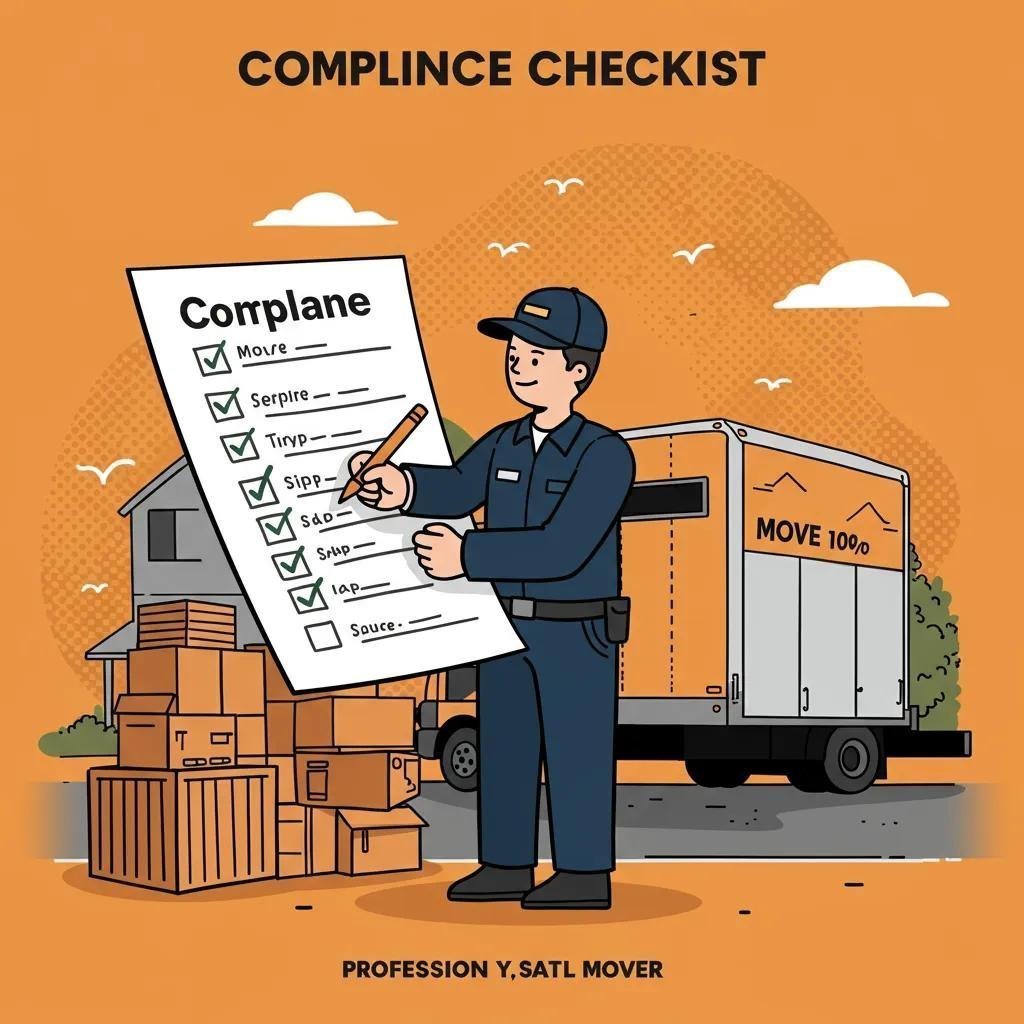
Before moving day, double-check that you have everything on this list:
- Your mover’s valid USDOT number and FMCSA operating authority
- Proof of the mover’s Massachusetts DPU certificate and surety bond
- The temporary parking permit for North Reading curb access, if needed
- A written binding or non-binding estimate that clearly lists all fees
- A signed freight bill of lading detailing valuation and liability
- Proof of insurance coverage (Released Value or Full Value Protection)
How Do Binding and Non-Binding Moving Estimates Differ?
Movers offer two types of estimates, each with different implications for your costs:
How Can You Avoid Moving Scams and Unlicensed Movers?
Protect yourself from moving scams by taking these verification steps:
- Use the FMCSA registry to confirm the mover’s USDOT number.
- Check the mover’s Massachusetts DPU license status through official records.
- Always insist on a written estimate and freight bill of lading before anything is loaded.
- Carefully review the details of their insurance coverage and claims process.
How Does Smart Penny Moving Ensure Compliance with Long Distance Moving Regulations in North Reading, MA?
At Smart Penny Moving, we build every regulatory requirement into our Long Distance Moving Services to ensure transparency, safety, and your peace of mind throughout your interstate relocation.
What Licenses and Insurance Does Smart Penny Moving Hold?
Smart Penny Moving has a valid USDOT number for interstate operations and a Massachusetts DPU certificate for intrastate moves. We offer both Released Value and Full Value Protection insurance, ensuring every shipment is covered under the appropriate valuation option for maximum consumer protection.
How Does Smart Penny Moving Provide Transparent Quotes and Contracts?
Our quoting process starts with a thorough survey of your belongings, either in person or virtually. We then provide a binding or non-binding written estimate that breaks down all fees. You’ll receive a clear freight bill of lading detailing liability, your chosen valuation, and any extra services, so you’ll never face hidden charges or confusing terms.
Why Choose Smart Penny Moving for a Stress-Free, Compliant Long Distance Move?
- Complete, stress-free moving solutions designed for individuals, families, seniors, and students.
- Licensed and insured services for both interstate and intrastate moves.
- Competitive pricing with free, no-obligation quotes.
- Experienced professionals who are experts in federal, state, and local moving regulations.
What Are Your Rights and Responsibilities When Moving Long Distance in Massachusetts?
Understanding both federal and state rights helps you know your protections and obligations, empowering you to ensure fair treatment and prepare for a smooth claims process if necessary.
How Does Federal Law Protect You During an Interstate Move?
Federal laws require moving companies to:
- Provide a written estimate and freight bill of lading before starting the service.
- Offer valuation coverage options and explain how to file claims.
- Give you the “Your Rights and Responsibilities When You Move” booklet.
- Carry minimum cargo and liability insurance to protect your belongings.
What State Laws Should You Know to Protect Yourself in MA?
Massachusetts law adds extra protections, including:
- A three-day “cooling-off” period to cancel contracts without penalty.
- Clear disclosure of storage terms, fees, and refund policies.
- Penalties for deceptive business practices and misrepresenting contracts.
- Requirements for public rate filings and bonding to ensure financial security.
How to Verify a Moving Company’s License and Insurance Status?
Before you move, confirm a company’s credentials by:
- Checking the FMCSA registry using the mover’s USDOT number.
- Reviewing DPU license information through Massachusetts regulatory publications.
- Asking for proof of Released Value or Full Value Protection insurance.
- Ensuring the freight bill of lading accurately reflects your chosen valuation coverage.
Where Can You Request a Free Quote and Get More Information on Long Distance Moving Regulations in North Reading, MA?
Getting accurate information and transparent pricing starts with a simple quote process and access to official regulatory resources.
How to Request a Transparent, No-Obligation Moving Quote from Smart Penny Moving?
To get your free, no-obligation estimate:
- Share your basic move details (origin, destination, inventory) through our website form.
- Schedule an in-person or virtual survey at a time that works for you.
- Receive a written binding or non-binding estimate within 24 hours.
- Review and accept the quote – no hidden fees or surprises.
What Additional Resources Are Available for Understanding Moving Regulations?
For more in-depth information on moving regulations, check out:
- Official FMCSA publications on interstate carrier requirements.
- U.S. Department of Transportation guidelines for USDOT registration.
- Massachusetts DPU filings on intrastate moving rates and bonding.
- Consumer protection guides that explain dispute and claims procedures.
Planning your long distance move in North Reading, MA with full regulatory compliance means less stress and more certainty. By following federal, state, and local rules and working with licensed professionals, you’ll experience a smooth, transparent relocation. Contact us today for your free moving quote, and let Smart Penny Moving guide you every step of the way to your new home.