
How to Effectively Prepare for Your Move: Complete Moving Checklist and Expert Packing Tips
Moving doesn’t have to be chaotic. This guide lays out clear, practical steps—checklists, packing tips, and planning advice—to help you protect your things and keep stress low. Follow a simple structure, communicate with your movers, and you’ll make moving day run a lot smoother.
What Are the Essential Steps in a Moving Checklist and Timeline?
Key items to include in your moving timeline:
- Make a detailed inventory of everything you own, flagging large or specialty pieces.
- Gather quality packing supplies and begin boxing up non-essential items early.
- Declutter to cut down on volume and cost.
- Confirm access details at both locations—parking, stairways, elevator access, and loading zones.
- Tell your mover about any specialty items and handling instructions in advance.
These steps reduce surprises and help your moving company give a more accurate estimate.
How Early Should You Start Preparing for Your Move?
Start well before moving day. Booking early gives you better date options, often lower rates, and more time to organize, declutter, and assemble an accurate inventory.
What Tasks Should Be Scheduled Before Moving Day?
Before the truck arrives, make sure you’ve completed these tasks:
- Finalize your inventory and note any specialty items.
- Stock up on boxes, tape, and protective materials and finish packing non-essentials.
- Pare down items you don’t need to move.
- Verify parking and building access at pickup and delivery addresses.
- Confirm handling instructions and the moving plan with your company in writing.
Doing this ahead of time keeps moving day efficient and avoids last-minute delays.
What Are the Best Packing Tips and Supplies for a Stress-Free Move?
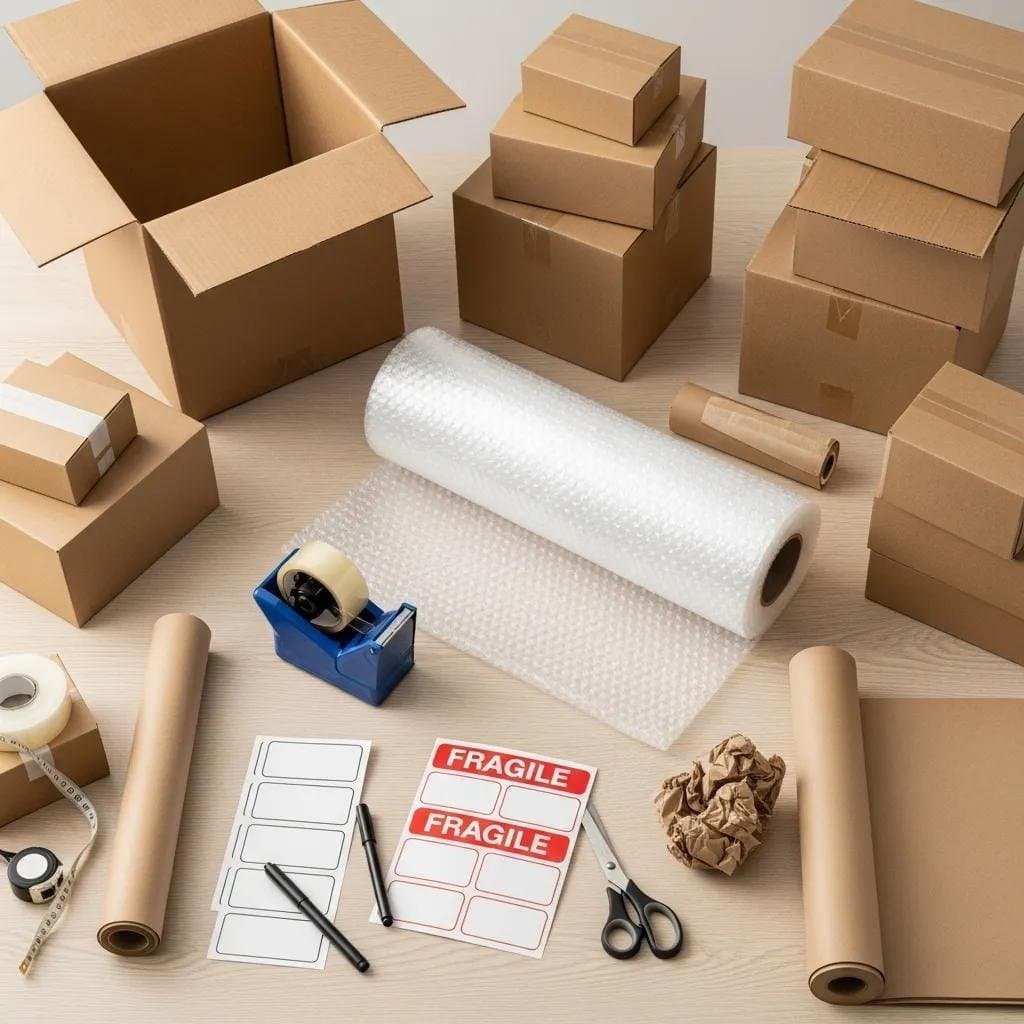
Pack smart with the right supplies and habits:
- Create a Detailed Inventory
: Track what you own and mark high-value or fragile items.
- Gather Packing Materials
: Use sturdy boxes, bubble wrap, foam, and strong tape.
- Pack Non-Essential Items Early
: Box things you won’t need until after the move.
- Label Boxes
: Mark each box with room and a short content list for faster unloading.
- Wrap Fragile Items Securely
: Layer bubble wrap or foam around delicate pieces.
- Document Contents
: Photograph boxes’ contents before sealing them to speed unpacking and support claims if needed.
- Declutter
: Remove items you no longer want to lower cost and effort.
- Confirm Access Details
: Double-check parking and stair/elevator access at both addresses.
These practical steps protect your items and make unpacking simpler.
Research on household-goods movement underscores the value of precise inventories and understanding different shipment methods.
Optimizing Household Goods Movement & Packing for Relocation
This thesis examines three parts of the military household goods program: inventory accountability, freight forwarders’ role, and price/quality differences between blanket-wrapped shipments moved by moving van (code 1) and paper-wrapped shipments loaded in crates (code 2).
Improving the Military Household Goods Movement Program, 1989
How Do You Pack Fragile Items Safely?
Protect fragile items with deliberate packing steps:
- Use High-Quality Packing Materials
: Choose durable boxes and cushioning materials like bubble wrap or foam.
- Wrap Delicate Items
: Apply multiple layers for extra cushioning.
- Label Boxes
: Mark fragile boxes clearly and note if they must stay upright.
- Create an Inventory
: Log each fragile item, its condition, and value in a spreadsheet.
- Photograph Contents
: Take pictures of each box’s contents before sealing to help with unpacking and any claims.
These steps lower the risk of damage and make inspections easier if issues arise.
Which Eco-Friendly Packing Materials Should You Use?
Choose greener options like recycled cardboard, biodegradable packing peanuts, and reusable fabric wraps. They protect belongings while reducing waste and environmental impact.
How Can You Prepare Effectively for Moving Day?
On moving day, clear preparation keeps things on track. Use the checklist below to make sure nothing is missed:
- Create and review a detailed inventory, calling out large or specialty items.
- Gather all packing materials and ensure boxes are sealed and labeled.
- Pack non-essential items ahead of time so only essentials remain unpacked.
- Declutter further if needed to avoid extra time and cost.
- Confirm access details and parking arrangements at both locations.
- Communicate the handling plan with your movers and confirm schedules in writing.
- Keep essentials (documents, chargers, medications) within easy reach.
- Reserve clear access paths so movers can load and unload efficiently.
Staying organized reduces stress and helps the crew work safely and quickly.
What Are the Key Moving Day Tips to Reduce Stress?
Focus on a few practical habits to keep moving day calm:
- Create a concise timeline and checklist to guide the day.
- Communicate handling notes and access details with the movers beforehand.
- Keep boxes labeled and grouped by room for faster unloading.
- Keep essentials handy so you’re not searching through boxes.
- Ensure the truck has clear access to avoid delays.
- Supervise loading and unloading so fragile or special items get priority handling.
A steady plan and clear communication make moving day much less stressful.
Recognizing relocation’s emotional effects—especially the stress during waiting periods—helps you plan support and coping strategies for a smoother transition.
Coping Strategies for Relocation Stress & Residential Change
People facing relocation often experience a stressful waiting period before the move. This study looked at older adults’ coping strategies and how those approaches affected health, cognition, and well‑being during residential change.
Coping with Relocation: The Impact of Coping Strategies on Health and Adjustment upon Residential Change., 1988
How Should You Organize Moving Day Logistics?
Coordinate logistics with these steps:
- Build a clear timeline and checklist so every task is assigned.
- Put handling instructions and pickup/delivery times in writing for the mover.
- Label and stage boxes by room to speed unloading.
- Keep essentials accessible and set aside a first‑night box.
- Verify parking, elevator reservations, and any building rules to avoid hold-ups.
Good logistics reduce delays and protect your belongings.
What Are the Differences Between Local and Long Distance Moving Services?
Local moves are usually billed by time and labor, while long‑distance moves are priced by shipment weight and miles traveled. Local moves can include access surcharges (stairs, long carries), while long moves often add fuel or terminal handling fees. Understanding these differences helps you budget and compare quotes accurately.
How Do Local Moving Services in Massachusetts Work?
Local movers in Massachusetts commonly offer residential, commercial, and specialized services—like senior and college moves. Companies such as
Smart Penny Moving
serve areas including Cambridge, North Reading, Framingham, and Woburn.
On moving day, expect a crew to pack, load, and transport your items. Provide a detailed inventory and request a transparent, itemized estimate to avoid unexpected fees. Use available resources to learn how to save money and pack efficiently.
What Should You Know About Long Distance Moving to or from Texas?
Key points for long-distance moves to or from Texas:
- Cost Structure
: Long-distance pricing is typically based on weight and distance rather than hourly labor.
- Additional Fees
: Watch for fuel surcharges, terminal handling, and other possible extras.
- Preparation
: Declutter, document an inventory, and consider packing non-fragile items yourself to reduce costs. Off‑peak scheduling can also lower prices.
- Insurance Options
: Understand basic valuation versus full‑value protection and choose coverage that matches your needs.
- Local Factors
: Accessibility, parking, and local demand can affect costs—urban areas may incur higher fees.
- Estimates
: Ask for an itemized written quote that breaks out labor, materials, and any surcharges.
Keeping these factors in mind helps you plan a smoother, more cost‑effective long‑distance move to or from Texas. For more details, see this resource on
long-distance moving
.
How Do You Organize a Move for Special Groups Like Seniors and Students?
Moves for seniors and students need tailored planning to address physical needs, timelines, and budgets.
What Are the Unique Considerations When Moving Seniors?
When moving seniors, prioritize emotional and physical well‑being. Offer steady support, help with packing and heavy lifting, and make sure the new space is accessible and comfortable.
How to Plan a Student Move Efficiently?
Student moves work best when you follow a tight, practical checklist:
- Create a clear inventory and mark bulky or specialty items.
- Gather packing materials and pack non‑essentials early.
- Declutter to lower costs and simplify setup.
- Confirm access and parking at both locations.
- Book early to secure dates and better rates.
- Request itemized quotes from multiple companies to compare value.
- Review insurance options and choose appropriate coverage.
- Communicate special handling needs with the movers and get schedules in writing.
- Supervise loading and unloading to ensure careful handling.
These steps help students move quickly and affordably while minimizing stress.
Frequently Asked Questions
What Should You Do If You Have Pets During a Move?
Plan for your pets’ comfort on moving day: arrange a sitter or boarding if possible, keep them in a quiet room, and pack a pet kit with food, water, medications, and familiar items. Update ID tags with your new address and introduce the new home gradually.
How Can You Save Money on Your Move?
Trim costs by decluttering, packing yourself where practical, and sourcing free or low‑cost packing materials. Book off‑peak dates and compare itemized estimates from multiple movers to find the best value.
What Are the Best Practices for Unpacking After a Move?
Unpack essentials first—bedding, toiletries, and kitchen basics—then tackle one room at a time. Use your inventory to track boxes, and recycle or donate packing materials to reduce clutter.
How Do You Handle Specialty Items During a Move?
Notify your mover about pianos, artwork, antiques, or other specialty items in advance. Use professional packing for fragile pieces, document their condition, and ensure coverage under your chosen insurance plan.
What Should You Know About Moving Insurance?
Most movers offer basic valuation coverage that pays a set amount per pound. For greater protection, consider purchasing additional valuation or full‑value protection, which covers repair or replacement. Review options carefully and ask your mover for details.
How Can You Make Moving Day Easier for Children?
Involve children in packing, let them choose items to keep, and create a safe play area on moving day. Have a friend or family member watch younger kids during the busiest times and spend time exploring the new neighborhood together afterward to help them adjust.
Conclusion
Preparing for a move is much more manageable with a clear plan, good packing practices, and open communication with your movers. Use this checklist to protect your belongings, limit surprises, and turn moving day into a smooth step forward. For deeper tips and resources, explore our moving guides and planning tools.