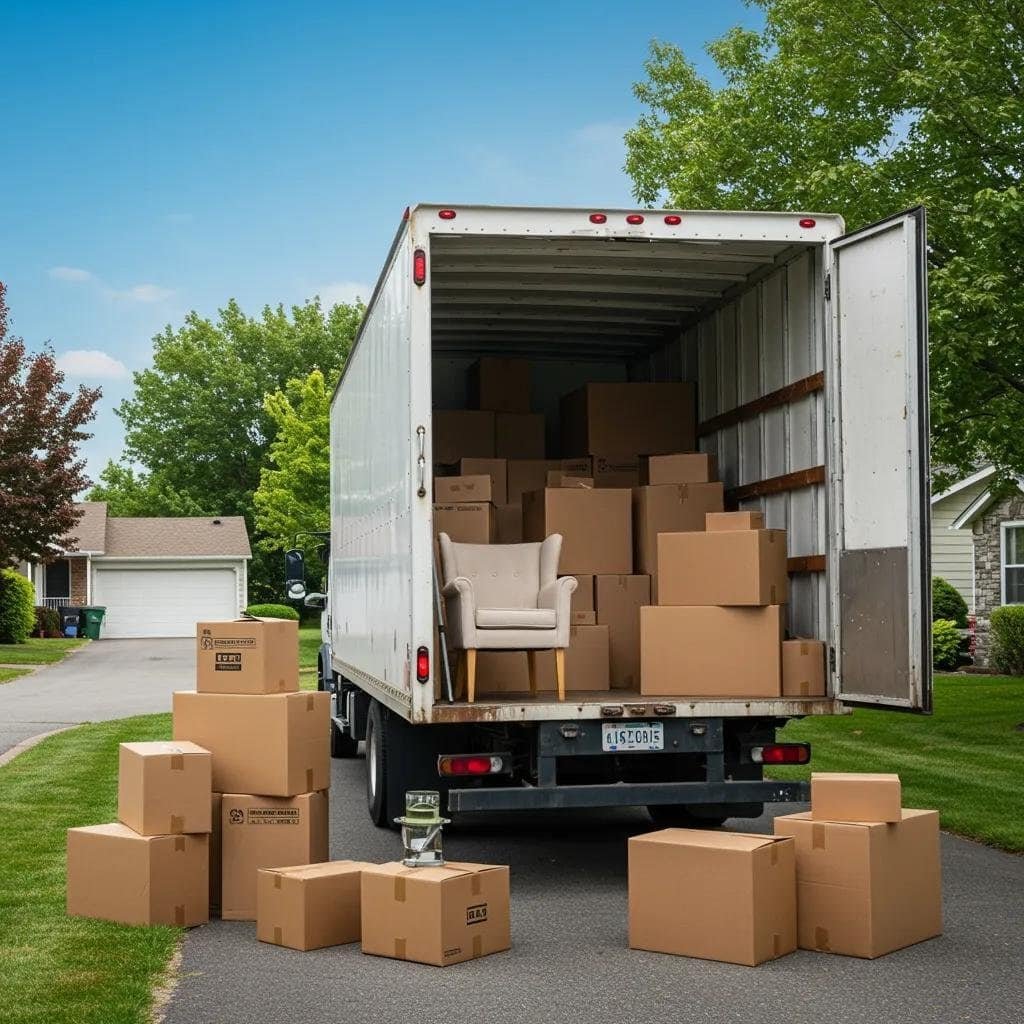
Understanding Moving Costs: Key Budgeting Tips for Relocation
The average relocation can top $4,500, so accurate budgeting for relocation costs is crucial to prevent surprises and financial stress. In this guide, you’ll discover how costs vary by move type, step-by-step budgeting methods, hidden fees to anticipate, proven cost-saving tactics, specialized move considerations, and how a trusted partner can streamline your planning. Whether you’re planning a local shift, a cross-country haul, or an international transfer, these insights will empower you to craft a precise moving budget and remain in control of every expense.
What Are the Average Moving Costs for Different Types of Moves?
Average moving costs represent the usual price ranges charged by professional movers, influenced by distance, services and shipment size. Understanding these benchmarks helps you estimate your relocation budget accurately—for instance, local moves often fall between $880 and $2,570, while cross-country relocations can exceed $8,000. Reviewing typical expenses by move type sets the stage for detailed budgeting and avoids last-minute shortfalls.
Reviewing these ranges clarifies how each relocation type impacts your bottom line and leads into specific cost breakdowns.
How Much Does a Local Move Typically Cost?
Local moving costs average $1,714, covering two professional movers, a truck, and basic insurance. Rates usually range from $38 to $75 per mover, per hour, depending on service level and home accessibility.
- Distance under 50 miles increases hourly fees for travel time.
- Volume of belongings drives number of movers and truck size.
- Additional services (packing, unpacking) add flat or hourly charges.
Average Costs and Hourly Rates for Local Moves
Research indicates that the national average cost for hiring local movers is approximately $1,714. These moves typically range from $880 to $2,570, with hourly rates for professional movers generally falling between $38 and $75 per person, per hour.
This research directly supports the article’s figures for average local moving costs and hourly rates for professional movers.
What Are the Average Expenses for Long-Distance Moves?
Long-distance moves typically cost between $2,000 and $8,000, with cross-country relocations sometimes exceeding $10,000. This price structure relies on weight (pounds) and mileage, combined with optional services.
- Base charge: $0.50–$0.80 per pound per mile
- Fuel surcharge: 5–15% of base rate
- Valuation coverage: $0.60–$1.20 per pound
These elements determine your final estimate, making weight reduction and timing critical budgeting levers.
Understanding Long-Distance and Cross-Country Moving Expenses
Studies show that long-distance moves commonly range from $2,000 to $8,000, with cross-country relocations potentially exceeding $10,000 or even $15,000. Pricing for these moves often includes a base charge of $0.50 to $0.80 per pound.
This verifies the article’s claims regarding the average costs and pricing structure for long-distance and cross-country moves, including the per-pound rate.
How Do International Relocation Costs Differ?
International moves start at around $5,000 and can exceed $15,000 when factoring in shipping method, destination regulations and customs fees.
- Sea freight: Lower cost per cubic foot but longer transit times
- Air freight: Premium rates for speed and security
- Customs duties and taxes: Vary by country and household inventory
Accounting for clearance procedures and delivery timelines prevents costly delays and hidden port fees.
What Factors Influence Moving Quotes Across Move Types?
Every moving quote hinges on a core set of variables that shape the final price:
- Distance of move (local vs long-distance vs international)
- Volume and weight of belongings
- Type of service (full-service, partial packing, DIY options)
- Time of year and day of week (peak vs off-peak)
- Accessibility (stairs, elevators, parking restraints)
These factors interact to produce a personalized cost estimate and guide budget adjustments.
How Can You Create an Effective Moving Budget?
Creating an effective moving budget starts by defining total expected costs, establishing priorities and allocating resources with a contingency buffer. A well-structured budget accounts for core relocation fees, packing supplies, insurance and unexpected expenses to keep finances on track and ensure a stress-free experience.
What Steps Should You Follow to Calculate Your Moving Budget?
To calculate your moving budget accurately, follow these steps:
- Inventory all items and estimate weight or volume.
- Research average costs for local, long-distance or international moves.
- Gather at least three detailed quotes from reputable movers.
- List one-time expenses: deposits, utility transfers, cleaning services.
- Allocate 5–10% of total for a contingency fund.
Completing each step yields a comprehensive financial plan aligned with your relocation needs.
How Do You Use a Moving Budget Checklist and Template?
A moving budget checklist and template provide a clear framework for tracking every expense. Use a spreadsheet or printable PDF with columns for:
- Expense category (e.g., movers, supplies, insurance)
- Estimated cost
- Actual cost
- Paid status
This organized approach ensures you monitor spending in real time and adjust allocations as quotes come in.
Why Is Building a Contingency Fund Important for Your Move?
A contingency fund protects against unforeseen charges such as last-minute storage, extended labor hours or new home repairs. Maintaining a 5–10% reserve of your total budget prevents financial surprises and keeps your relocation on schedule and under control.
How Can a Moving Cost Calculator Help Plan Your Budget?
An interactive moving cost calculator automates estimates by integrating distance, weight, service level and seasonality. It streamlines budget planning, highlights major cost drivers and helps you compare hypothetical scenarios—such as full-service packing versus self-packing—before committing to a final plan.
What Are the Hidden Moving Costs You Should Budget For?
Hidden moving costs include fees that often escape initial quotes but can add several hundred dollars to your total. Identifying these line items in advance prevents budget overruns and maintains peace of mind.
Which Packing Supplies and Materials Add to Your Moving Expenses?
Packing supplies can account for 5–10% of your moving budget. Common materials include:
- Cardboard boxes: $1.50–$6.00 each
- Packing tape and dispensers: $5–$15 per roll
- Bubble wrap and padding: $0.10–$0.50 per square foot
- Specialty crates for fragile items: $30–$75 each
Estimating supply needs from your inventory prevents wasteful overordering and overspending.
How Do Storage Fees and Moving Insurance Impact Your Budget?
Storage and insurance protect your belongings but incur additional charges:
- Short-term storage: $50–$200 per month, depending on unit size
- Valuation coverage: Often included up to $0.60 per pound; full replacement value costs more
- Additional insurance riders: $100–$300 for high-value items
Including these costs in your plan safeguards assets and prevents unexpected invoices.
What Other Unexpected Fees Should You Anticipate?
Beyond supplies and insurance, anticipate these potential fees:
- Utility deposits and setup fees: $50–$300
- Parking or loading permits: $20–$100 per permit
- Fuel surcharges on long hauls: 5–15% of base cost
- Cleaning or handyman services for new home prep: $100–$500
Acknowledging these add-ons forestalls unplanned expenses at moving time.
How Can You Avoid or Minimize Hidden Moving Costs?
To reduce hidden costs, apply these tactics:
- Source free or discounted packing materials from local retailers.
- Confirm parking permits in advance with municipal authorities.
- Bundle storage and moving services for discounted rates.
- Opt for off-peak moving days to lower fuel surcharges.
Proactive planning on these items shrinks your overall relocation budget.
What Are the Best Ways to Save Money on Your Move?
Implementing cost-saving strategies can cut your moving expenses by 10–30% without sacrificing quality. By reducing volume, timing your move strategically and leveraging DIY options, you preserve your budget and maintain control over expenditures.
How Does Decluttering and Downsizing Reduce Moving Expenses?
Decluttering and downsizing cut both weight and volume, directly lowering mover charges and supply needs. Selling, donating or recycling items you no longer use transforms potential waste into savings and simplifies your packing process.
When Is the Best Time to Move to Save Money?
Moving during off-peak seasons—typically October through March—and scheduling mid-week relocations can reduce rates by up to 20%. Avoiding summer and end-of-month rush periods gives you access to lower hourly and flat-rate pricing.
Should You Consider DIY Packing or Professional Services?
DIY packing offers significant savings on labor costs but requires more time and effort. Professional packing ensures efficiency and damage protection. Comparing the value of “time saved” versus “money spent” helps you decide which approach aligns with your budget and schedule.
Where Can You Find Free or Low-Cost Packing Supplies?
Obtain free or inexpensive materials from:
- Grocery stores and bookshops offering used boxes
- Community groups or online marketplaces such as Freecycle
- Reusable plastic crates rented from local suppliers
These sources lower supply costs and promote sustainable moving practices.
How Do Specialized Moves Affect Your Moving Budget?
Specialized moves—corporate relocations, fragile art shipments and long-term storage—require unique budgeting considerations that differ from standard household moves. Factoring in these nuances ensures accurate estimates and avoids last-minute price adjustments.
What Should You Know About Budgeting for Employee Relocation Packages?
Employee relocation packages often cover base moving costs but exclude services like temporary housing, family travel or home sale assistance. Clarify covered allowances, tax implications and reimbursement timelines to avoid personal out-of-pocket expenses.
How Do Packing Supplies Costs Vary by Move Type?
Packing supply costs scale with service level and fragility needs:
- Full-service packing: Includes premium materials and labor
- Partial packing: Focuses on breakables and high-value items
- Self-packing: Purchases only raw materials
Selecting the appropriate packing option aligns supply expenses with your protection requirements.
What Are the Pricing Considerations for Storage Solutions?
How Does Smart Penny Moving Help You Manage Moving Costs Efficiently?
Smart Penny Moving combines transparent pricing, expert guidance and customizable services to simplify every phase of your relocation budget. Their comprehensive solutions streamline quotes, reduce hidden fees and deliver trusted support from planning through unloading.
What Transparent Pricing Models Does Smart Penny Moving Offer?
Smart Penny Moving offers flat-rate and weight-based packages with no hidden surcharges. Customers receive detailed line-item estimates covering labor, materials and optional services—eliminating surprises on moving day.
How Does Smart Penny Moving Simplify Your Moving Budget Planning?
Through personalized consultations and a user-friendly online quote tool, Smart Penny Moving helps you forecast costs in minutes. Their experts walk you through each budget component and suggest tailored savings strategies aligned with your priorities.
What Services Can Reduce Your Overall Moving Expenses?
By bundling packing, transport and short-term storage, Smart Penny Moving delivers package discounts. Additional options—such as reusable bin rentals and consolidated shipments—further lower costs while maintaining high service quality.
Learn more about their services at Smart Penny Moving.
What Are the Most Frequently Asked Questions About Moving Costs and Budgeting?
Answering key questions upfront builds confidence, aligns expectations and positions you to make informed decisions about relocation finances.
How Do I Calculate My Moving Budget Accurately?
To calculate your moving budget accurately, tally estimated charges for movers, packing, insurance and supplies, add one-time fees like permits or deposits, then include a 5–10% contingency fund to cover unexpected costs.
What Are the Common Hidden Costs in Moving?
Common hidden costs include packing materials, moving insurance, storage fees, fuel surcharges, utility deposits, cleaning services and parking permits—each of which can add several hundred dollars if not planned for.
How Can I Reduce My Moving Expenses Effectively?
Reduce expenses by decluttering, moving off-peak, sourcing free packing materials, comparing multiple quotes and handling basic packing tasks yourself to lower labor and supply costs without sacrificing safety.
Is It Cheaper to Move Yourself or Hire Professional Movers?
Hiring professional movers typically increases reliability and speed, while a self-move cuts labor costs but shifts more responsibility onto you. Comparing time investment and potential damage risks helps determine which option best fits your budget and needs.
Relocating need not be a financial guesswork—accurate forecasting, proactive planning and the right partner combine to deliver a smooth, cost-efficient move. By applying these budgeting tips and leveraging the expertise of Smart Penny Moving, you’ll maintain control over every dollar and enjoy a seamless transition to your new location.