
Choosing a Reliable Moving Company: Smart Penny Moving's Top 10 Tips
Picking the right moving company cuts stress, lowers risk, and helps your belongings arrive on time and on budget. This guide walks you through the top 10 factors to check—licensing, reputation, services, estimates, insurance, experience, communication, equipment, scheduling flexibility, contracts, and referrals—so you can hire with confidence. Many people run into hidden fees, unclear liability, or poor communication during a move; use these practical verification steps to avoid those pitfalls. You’ll learn how to compare Released Value versus Full Value Protection, read estimates to spot common surcharges, and what questions to ask before signing. Each H2 section includes checklists and clear next steps to help you verify credentials, request accurate quotes, and plan a smoother move. Read on to learn which license and insurance details matter, how to interpret reviews, what services to expect, and how to get transparent estimates.
How Do Licensing and Insurance Impact Choosing a Reliable Moving Company?
Licensing and insurance define a mover’s legal authority and financial responsibility—and they protect you if items are lost or damaged. Interstate carriers usually show a USDOT number and FMCSA registration; intrastate moves rely on state authority. Insurance and valuation choices determine carrier liability and your potential reimbursement. Verifying active licensing and adequate insurance is a top screening step because it prevents exposures like uninsured loss or the inability to file legitimate claims. The subsections below show where to find registration details and how to compare common valuation options so you can pick coverage that fits the value of your belongings.
How Can You Verify a Moving Company’s License and USDOT Number?
To verify a mover’s license, check federal and state registries, confirm active insurance filings, and read registration status indicators. Ask the company for its USDOT number, then use official regulatory lookup tools to confirm the number is active, the business name matches, and required insurance is on file. Treat “inactive” or “suspended” statuses as a red flag. If an interstate carrier does not provide a USDOT number, request written proof of alternative licensing—don’t rely only on a website. Save copies of registry results and use them when comparing quotes; mismatched records are grounds to ask questions or choose another provider.
What Types of Moving Insurance Should You Understand Before Hiring?
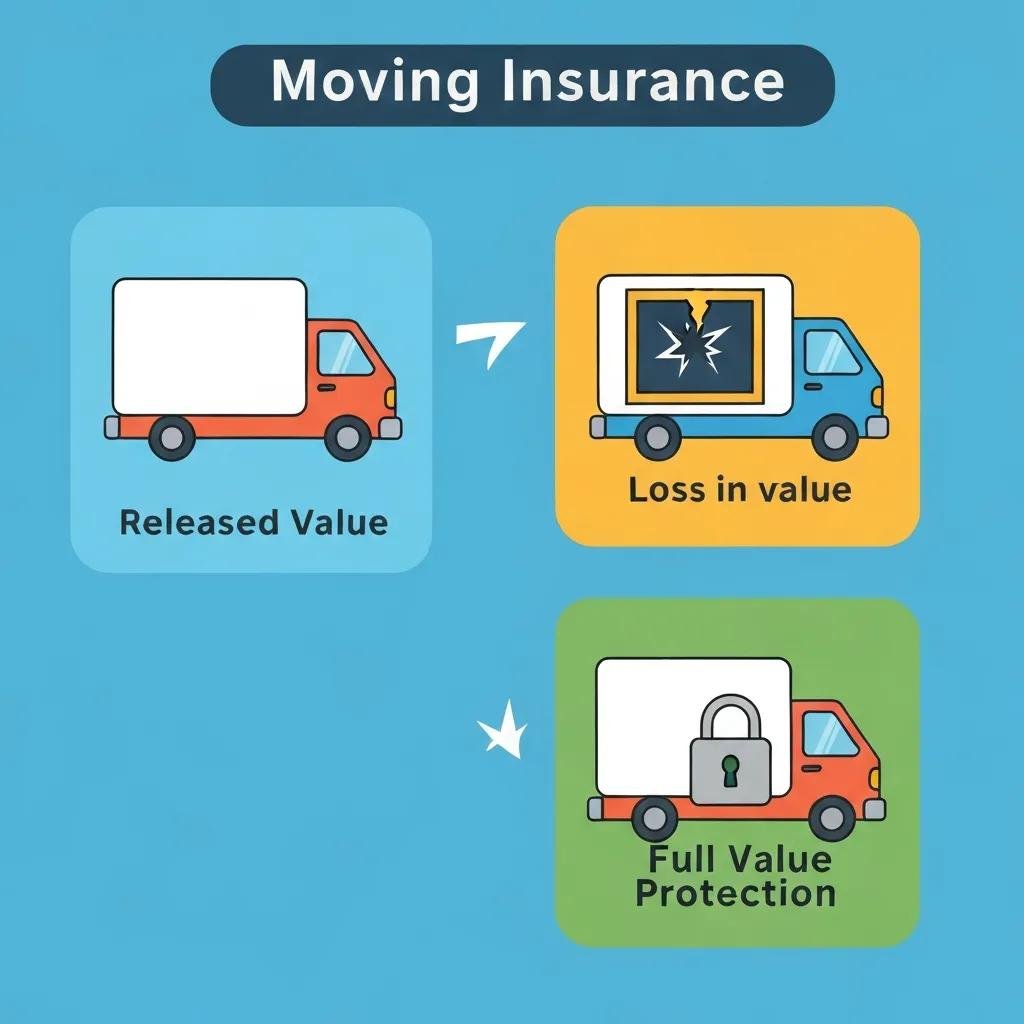
There are two primary carrier valuation options—Released Value and Full Value Protection—plus optional third-party insurance for expensive or collectible items. Released Value gives minimal carrier liability, usually calculated by weight, and offers lower reimbursement. Full Value Protection requires the carrier to repair, replace, or pay the item’s value (minus depreciation). For high-value or irreplaceable items, consider supplemental third-party policies if Full Value Protection limits don’t cover the replacement cost. Balance the premium cost against potential replacement expense, and document item condition before the move.
Different valuation methods produce very different outcomes in a claim, so confirm available options before booking to avoid surprises and make sure the coverage fits your items’ value.
This comparison shows why asking which valuation a company offers is essential for protecting valuables and planning financial risk.
Why Are Reputation and Customer Reviews Crucial When Selecting Movers?
Reputation and reviews reveal how a mover performs over time—reliability, communication, and claims handling—while single testimonials can be misleading. Check ratings on Google, Yelp, and the BBB to spot trends: on-time delivery, frequent damage reports, or billing disputes. How a company responds to complaints also shows accountability. Reviewing multiple platforms and recent feedback helps you separate one-off issues from systemic problems and guides the questions you should ask references. The subsections below explain platform differences and list red flags to watch for.
How Do Online Ratings on Google, Yelp, and BBB Reflect Mover Reliability?
Each review platform highlights different signals: Google often shows recent local experiences, Yelp captures detailed customer stories, and the BBB focuses on complaints and resolutions. Read recent reviews, look for consistent praise or recurring complaints, and note whether the company responds professionally to criticism—timely, transparent replies are a good sign. Verify specific claims—photos of completed moves or invoices—rather than trusting star averages alone. Use aggregated ratings alongside licensing checks and references to form a balanced view.
What Are Common Red Flags to Watch for in Moving Company Reviews?

Watch for patterns: hidden fees, unresponsiveness after booking, repeated damage claims, or a weak online presence. Templated, overly positive reviews without specifics or many unresolved complaints on consumer protection sites suggest possible manipulation or poor service culture. Repeated last-minute cancellations or unexplained surge pricing are also red flags—ask the company for written guarantees and alternative scheduling options if you see these patterns. Spotting these warning signs early helps you eliminate risky providers before collecting formal estimates.
The next section describes the services you should expect from a full-service mover and how to match offerings to your move.
What Services Should Your Ideal Moving Company Offer for a Stress-Free Move?
A reliable mover offers core and value-added services that match your timeline, property type, and item needs so the move runs smoothly. Core services cover local and long-distance transport; value-added services include packing, storage, senior or college moves, and commercial relocations. Each service has different crew needs, equipment, and pricing. Check whether a company can bundle services (for example, packing plus storage) and whether they provide clear written descriptions of inclusions so you can compare quotes accurately. The table below maps common services to typical inclusions and who benefits most.
Smart Penny Moving provides services across these categories—including local moving, long-distance, commercial, senior, college moves, packing, and storage—so you can request a tailored estimate that fits your situation.
How Do Local, Long-Distance, Commercial, Senior, and College Moving Services Differ?
Differences come down to distance, regulation, crew makeup, and pricing. Local moves typically use hourly rates and smaller crews; long-distance moves require federal compliance and distance-based tariffs. Commercial moves need project management and phased scheduling to minimize downtime. Senior moves focus on downsizing and sensitive timing, while college moves prioritize compact timelines and short-term storage. Knowing these distinctions helps you choose a company with the right experience and equipment—and explains why certain accessorial fees or timelines may apply.
Why Are Packing and Storage Services Important for Comprehensive Moving Solutions?
Professional packing reduces damage risk and saves time, especially for fragile or bulky items. Storage solutions give you flexibility for phased moves or when your new place isn’t ready. Full packing services include materials, labeling, and inventorying; partial or fragile-only options let you control costs while protecting valuables. When using storage, verify climate control, security, and inventory tracking, and document chain-of-custody for insurance purposes. Keeping packing and storage with one provider streamlines logistics and cuts coordination errors during complex moves.
The next major topic explains how transparent pricing and accurate estimates prevent surprise charges and billing disputes.
How Can Transparent Pricing and Accurate Moving Estimates Help Avoid Hidden Fees?
Transparent pricing spells out what’s included, which accessorials may apply, and how estimates are calculated—greatly reducing surprise charges on moving day. Estimates come in several types—binding, binding not-to-exceed, non-binding, and hourly—each carrying different consumer risks. A thorough estimate process includes an in-home survey, an itemized inventory, and documentation of access conditions. Common surcharges (fuel, stair fees, elevator carries, long carries) should be listed in the estimate so you can compare vendors and budget correctly. The table below compares estimate types and example components so you can choose the style that fits your risk tolerance.
Requesting an in-home or virtual survey and a written estimate with itemized accessorials is essential to avoid hidden fees and compare providers fairly.
What Is the Difference Between Binding and Non-Binding Moving Estimates?
Binding estimates give a set price that stays fixed if the inventory and conditions match the survey—offering consumer certainty. Non-binding estimates are projections that can change based on actual weight, distance, and accessorials. Binding not-to-exceed estimates guarantee a maximum cap, protecting you from overruns while possibly saving money if actual costs are lower. Hourly estimates bill for time and can be cost-effective for small local moves but vary with crew efficiency. Choose the estimate type that balances price certainty with your tolerance for variability.
How Do You Get a Reliable Moving Quote Without Unexpected Charges?
Get a reliable quote by requesting an in-home or virtual survey, providing a complete inventory, and documenting access constraints (stairs, parking, elevator limits). Ask for itemized accessorials in writing and confirm which valuation the estimate includes. Clarify whether fuel, packing materials, or storage are bundled or billed separately, and ask about cancellation and rescheduling policies. Have the estimate delivered as a written document to review before signing. These steps create accountability and reduce scope gaps that cause surprise charges.
The next section shows how experience and local expertise improve handling and logistics.
How Does Experience and Expertise Influence the Quality of Your Moving Company?
Experience and expertise affect crew efficiency, specialty-item handling, and the company’s ability to anticipate logistical challenges—lowering risk and often reducing delays. Skilled crews use proper rigging, padding, and equipment to protect pianos, antiques, and large appliances. Experienced managers plan routes, permits, and building logistics to avoid last-minute issues. Local knowledge helps with municipal permit rules, parking constraints, and seasonal patterns that affect timing. The subsections below explain why trained movers matter for specialty items and how regional know-how benefits moves in places like Massachusetts and Texas.
Why Is Trained Mover Experience Important for Handling Specialty Items?
Trained movers use techniques like custom crating, specialized padding, lift-gate operation, and secure strapping to reduce damage risk for pianos, artwork, and antiques. They document fragile items with condition reports and communicate handling plans so liability is clear before transit. For high-value objects, ask for proof of specialized handling capability and whether extra valuation or third-party insurance is recommended. Movers with documented specialty procedures reduce claim likelihood and speed resolution if issues occur.
How Does Local Knowledge in Massachusetts and Texas Benefit Your Move?
Local knowledge helps with routing, parking permits, building loading rules, and seasonal constraints—winter weather in Massachusetts or heat windows in Texas can change loading plans. Movers familiar with local regulations secure curb permits, navigate tight streets, and coordinate with building managers to streamline loading and unloading. That regional expertise reduces delays, lowers incidental fees from mis-planned access, and shortens overall move time. When evaluating providers, ask about service-area experience and examples of local logistics they manage regularly.
Next, we cover why customer service and communication prevent friction and how claims should be handled when problems happen.
What Role Does Customer Service and Communication Play in a Successful Move?
Clear customer service and communication reduce uncertainty, align expectations, and provide a documented path for resolving disputes and claims. Reliable movers send timely pre-move confirmations, day-of updates, and post-move follow-ups, and they give you clear contact points for escalation. A defined claims workflow lowers stress by outlining documentation requirements, submission timelines, and expected response windows. The sections below include a practical claims checklist and explain why responsiveness matters for overall satisfaction.
How Should a Moving Company Handle Claims and Damage Disputes?
An effective claims process starts with immediate documentation: note damage on the delivery receipt, take dated photos, keep packaging, and get the mover’s damage report. File a written claim promptly with the signed paperwork, inventory, and photos; track all communications and ask for confirmation of receipt and expected timelines. Insist on a clear timeline for carrier investigation and resolution, and understand how your chosen valuation affects settlement options. A transparent, timely claims workflow increases the chance of fair resolution and shortens disputes.
Why Is Responsive Communication Essential Throughout Your Moving Experience?
Responsive communication prevents misunderstandings about timing, pricing, and scope—and lets teams react quickly when plans change. Good communication includes written confirmations, pre-move checklists, day-of status updates, and a single point of contact who knows the move details. Test responsiveness during the quote phase—slow or evasive replies often predict similar behavior later. Frequent, clear updates reduce anxiety and lower the risk of last-minute fees or missed appointments.
The next section explains how fleet condition and equipment choices influence safety and reliability.
How Do Infrastructure and Equipment Affect Moving Company Reliability?
Fleet condition, equipment availability, and storage standards affect transit safety, damage risk, and schedule reliability. Well-maintained trucks and the right equipment reduce mechanical delays and protect items. Features like air-ride suspension, liftgates, padding, and proper crating matter for different move types. Visible maintenance practices indicate operational discipline. Storage facilities should offer security, climate control when needed, and inventory management for safe holding between origin and destination. The subsections below describe key truck types and how storage supports flexible moves.
What Types of Moving Trucks and Equipment Ensure Safe Transport?
Truck features serve specific needs: air-ride or well-maintained suspension protects fragile items from vibration; liftgates help when loading docks aren’t available; specialized crating and padding protect artwork and antiques. Dollies, appliance straps, and floor runners prevent property damage and speed loading. Inspect visible equipment condition and ask about maintenance schedules and safety checks—poor upkeep correlates with higher risk. The right equipment delivers safer, more predictable results for complex or long-distance moves.
How Do Storage Facilities Support Flexible Moving Needs?
Storage bridges timing gaps, supports downsizing, and enables phased deliveries. Verify access hours, climate control, security systems, and inventory tracking. Short-term storage helps staged moves or when a destination isn’t ready; long-term storage requires clear condition documentation and insurance coverage. Ask whether storage is palletized or containerized, if there are climate zones for sensitive items, and whether inventory is tracked in writing. Good storage infrastructure reduces logistical friction and provides a safe contingency when delivery windows shift.
Availability and flexibility are the next considerations to help you secure the best dates and pricing.
Why Is Availability and Flexibility Important When Scheduling Your Move?
Availability affects the dates you can secure and often influences price—demand spikes during peak season. Flexible providers can offer alternatives that reduce cost. Credible movers provide reasonable rescheduling policies, storage bridging, and partial-service options when full-service dates aren’t available. Booking lead time, seasonal planning, and clear cancellation policies all affect cost and reliability; the subsections below outline recommended timelines and expected flexibility.
How Does Booking in Advance Help Avoid Peak Season Delays?
Booking early locks in crews, reduces surge pricing during busy months, and gives time for accurate in-home surveys. Local moves often need a few weeks’ notice; long-distance moves typically require several weeks to months to secure optimal routing and equipment. If you must move during peak season, try weekdays or mid-month dates and request written confirmation of moving windows to avoid last-minute changes. Planning ahead also leaves time to arrange packing, insurance choices, and any permits.
What Flexibility Should You Expect from Your Moving Company?
Expect clear policies for reasonable date changes, storage bridging, partial packing, and transparent modification fees. Flexible companies provide contingency plans—backup trucks or crews—and list change fees up front so you can compare fairly. Flexibility matters when life forces schedule shifts and helps keep your move on track. Clear, fair policies are a sign of operational maturity and respect for customers.
Contracts and fine print are the final operational layer to inspect before you sign.
What Should You Look for in Moving Contracts and Fine Print?
Contracts define scope, valuation, dates, and accessorial conditions—so read them closely. Scrutinize liability clauses, valuation type, delivery windows, included services, and listed surcharges; ambiguity invites disputes. Make sure the contract references the exact inventory, the agreed estimate type, and any permits or access conditions you discussed. Ask for written amendments for unclear items instead of relying on verbal promises, and keep copies of all signed documents. The subsections below translate common contract elements into plain language and highlight pitfalls to avoid.
How Can You Understand Liability and Terms in Your Moving Agreement?
Liability depends on the valuation you choose: Released Value limits carrier responsibility (often by statute or weight-based rules), while Full Value Protection places greater carrier responsibility subject to depreciation. Check for explicit limits, claim deadlines, and third-party insurance options in the agreement; get written confirmation of the valuation selected and the premium charged. Translate legal clauses into plain terms—what happens if an item is damaged, who pays for repairs, and how depreciation is calculated—and make sure those outcomes meet your expectations. Clear contract language prevents contested claims and simplifies recovery if incidents occur.
What Are Common Contract Pitfalls to Avoid When Hiring Movers?
Be wary of vague scope statements that omit accessorials, unclear cancellation fees, missing signatures, or contracts that lack a written estimate—these gaps shift risk to you. Avoid agreements that let the carrier make big unilateral changes without customer consent or that depend on verbal amendments. If language is ambiguous, request explicit contract clauses that define inclusions, exceptions, and dispute procedures. Fixing these issues before the move reduces the chance of surprise charges and prolonged claim disputes.
The final factor explains how referrals and trusted sources help validate your choice and close the vetting process.
How Can Referrals and Recommendations Guide You to the Best Moving Company?
Personal referrals combine experience and trust—giving details about punctuality, communication, and final cost that public reviews may miss. Use referrals as a starting point: ask the referrer specific questions, request photos or documents if available, and cross-check the recommendation against registries and review platforms. Authoritative sources like government registries and consumer protection bodies provide objective data to validate referral claims. The subsections below list what to ask referrers and which official profiles to check.
Why Are Personal Recommendations Valuable When Choosing Movers?
Personal recommendations offer context about the entire experience—packing quality, crew attitude, adherence to schedules, and post-move follow-up—that star ratings alone often miss. Ask referrers about damages, final cost versus estimate, communication during the move, and whether promises were kept. Request examples, documentation, or photos when possible; the best referrals include verifiable details, not just praise. Combine referrals with licensing and contract checks for a fuller, more reliable selection process.
How Do Trusted Sources and Online Profiles Help Validate Moving Companies?
Authoritative sources—federal and state registries, the Better Business Bureau, and verified local profiles—give objective data on licensing, complaint history, and business practices. Cross-check these against referrals and online reviews. Look for matching company names and registration numbers, note patterns in complaint resolution, and compare current ratings with historical trends. If you find discrepancies across platforms, ask the mover for written clarification; unresolved mismatches are a reason to consider other providers. These checks complete your vetting and lower the chance of hiring an unreliable mover.
We aim to deliver clear, low-stress moving solutions—and to help you request a free quote and book services with confidence.
Frequently Asked Questions
What should I consider when evaluating moving company estimates?
Check the estimate type—binding, non-binding, or hourly—and how it fits your budget and risk tolerance. Look for detailed itemization of costs and potential surcharges (fuel, packing materials, special handling). Make sure the estimate reflects your move size and any unique items, and ask how estimates change if your inventory shifts. An itemized, written estimate helps avoid surprises on moving day.
How can I ensure my belongings are protected during the move?
Choose a mover that offers adequate coverage—Full Value Protection is the most comprehensive carrier option. Document item condition with photos and inventories before the move, and flag fragile or high-value items to the crew. Consider professional packing for delicate pieces and supplemental third-party insurance for very valuable items.
What are the benefits of hiring a local moving company?
Local movers know the area, which can lead to faster routing and fewer delays. They often have relationships with local authorities for permits, understand regional traffic patterns or weather challenges, and typically offer more personalized, responsive service than national chains.
How can I prepare for a smooth moving day?
Create a timeline and checklist, pack and clearly label boxes, and keep essentials accessible. Communicate parking or access issues to the mover ahead of time, and be present on moving day to answer questions and confirm inventory items as the crew loads and unloads.
What should I do if my moving company cancels last minute?
Review your contract for the cancellation policy, then contact the company immediately for clarification. If they can’t accommodate you, start calling other movers and use online platforms and local resources to find short-notice options. Document all communications to support any dispute or claim for compensation.
What are the advantages of using packing services?
Packing services save time and reduce damage risk—professional packers use proper materials and techniques for efficient, secure packing. They’re especially helpful for fragile or high-value items, and free you to focus on other moving tasks.
How can I verify the reputation of a moving company?
Check reviews on Google, Yelp, and the BBB for patterns in feedback, and focus on recent reviews. Ask the company for references and contact past clients. Verify licensing and insurance through official registries. A reputable mover will share credentials and documentation without hesitation.
Conclusion
Choosing the right moving company reduces stress and helps ensure your belongings arrive safely and on budget. By checking licensing, insurance, reviews, services, and contract details, you can make an informed choice that fits your needs. Explore our full services and request a free quote to get started—we’re here to guide you through every step of your move.