
Expertly Moving Specialty Items with Smart Penny Moving
Specialty item moving covers belongings that need more than a standard move — because of size, weight, fragility, historical value, or climate sensitivity. When handled by experienced professionals, these relocations carry far less risk and run much smoother. This guide walks you through how specialty moving works, which items qualify, and concrete steps you can take to prepare valuables for a safe move. If you’d rather hand the job off, Smart Penny Moving serves customers across Massachusetts and Texas, offering dependable, low-stress moving solutions. Read on for definitions and examples, why specialists matter, a step-by-step process, service categories, how to get a free quote, and short answers to common questions — with practical tips for pianos, fine art, antiques, and white-glove moves.
What counts as a specialty item — and why should you hire an expert?
Specialty items are possessions whose value, fragility, size, or environmental needs go beyond ordinary household goods. They often combine monetary or sentimental value with sensitivity to shock, vibration, temperature, or humidity — which makes standard moving methods risky. Trained movers lower that risk with the right equipment, custom crating, climate-controlled transport, and crews who know how to handle delicate or heavy pieces. Investing in a specialty mover is usually cheaper than paying for repairs or replacement after a damaged move.
Which items are considered specialty: pianos, art, antiques, safes, and other fragile goods?
Knowing which items qualify helps you prioritize protection and planning. Grand and upright pianos need weight-specific rigging, careful disassembly for transport, and post-move tuning; their soundboards and actions respond to humidity. Fine art and antiques often require museum-grade packing, provenance records, and climate-controlled transport to avoid deterioration. Gun safes, vaults, and heavy machinery demand rigging, floor protection, and sometimes permits. Medical and lab gear may need vibration-free handling and steady environmental conditions. Identifying the category of each item points you toward the right packing, equipment, and insurance.
How is specialty moving different from a standard move?
Specialty moving differs from standard moving in four main ways: specialized training, higher-grade materials, custom equipment, and itemized valuation practices. Standard moves focus on speed and volume using blankets and basic tie-downs. Specialty moves use custom crates, vibration-absorbing padding, and climate-controlled vehicles. Crews trained in piano mechanics, fine-art handling, or heavy rigging use lifting techniques and sequencing that prevent structural or finish damage during tight maneuvers like stair carries or hoists. Finally, specialty services provide clearer, inventory-based pricing and valuation so you know what protections you’re buying.
Why choose Smart Penny Moving for specialty relocations?
Smart Penny Moving offers regional specialty moving with careful processes, transparent estimates, and a strong record of customer satisfaction. We serve Massachusetts and Texas with reliability and clear pricing — no hidden fees — and many positive reviews on Google and HomeAdvisor that reflect consistent performance on complex jobs. Our estimates are inventory-based so you can plan for crating, rigging, and any special equipment. If you’re ready to move forward, we make it easy to request a free quote and schedule the assessment.
How does our experience keep specialty moves safe and efficient?
Safe specialty moving starts with trained crews, item-specific protocols, and years of hands-on experience. Our teams do detailed pre-move assessments, plan lift sequences to avoid structural stress, and use protections like shock-mount crating and multi-point tie-downs during transport. Complex jobs — from maneuvering an upright down a narrow stairwell to coordinating a hoist through a window for a grand — require precise choreography and clear communication. Those procedures reduce handling incidents and protect value at every stage.
What advanced equipment and techniques do we use?
Specialty moves depend on the right tools: custom crates, piano dollies, hydraulic lifts, padded skates, and climate-controlled trucks. Custom crating isolates items from vibration and humidity. Specialized dollies and skates protect floors while spreading weight. Hoists and rigging systems let us move items vertically when stairs or doors won’t work. Climate control prevents warping or glue failure for antiques and artwork, and desiccants or insulation address moisture concerns on longer hauls. Understanding which tools apply helps explain price drivers and shapes the consultation conversation.
How do our insurance and transparent pricing protect your valuables?
Clear pricing and upfront insurance options help you compare real costs and avoid surprises while choosing the right protection for high-value items. We base estimates on inventories and required services, such as custom crating or rigging, so you see what’s driving cost. We encourage customers to document provenance and value to pick adequate coverage — whether that’s mover-provided liability or third-party valuation. Discussing insurance during booking aligns protection with the move’s risk and sets realistic expectations for claims, if needed.
How the specialty moving process works with Smart Penny Moving
Our process follows a simple sequence: consultation and assessment, custom packing and crating, secure transport with specialized equipment, then careful unloading and final placement. That order ensures we have the right protections in place before any heavy lift happens, minimizing handling and keeping schedules predictable. Below is a practical breakdown of each phase so you know what to expect and who’s responsible at every step.
Intro to process table: The table below compares the major process phases and standard practices so owners know what to expect during a specialty move.
What happens during the initial consultation and item assessment?
During the consultation we gather dimensions, estimated weights, photos, entry constraints, and provenance details to determine crew size, equipment, and crating needs. Access notes — stairways, elevators, door clearances — tell us whether a hoist or extra rigging is necessary and affect permitting or labor costs. Bringing a simple inventory with photos and values speeds the process and produces more reliable, inventory-based estimates. Good preparation at this stage determines the packing choices and transport plan.
How are specialty items packed, loaded, and transported safely?
Packing focuses on isolating items from shock, controlling humidity and temperature, and preventing abrasion with multilayer protection, custom crates, and climate buffers. Loading uses the equipment specified in the assessment — piano skids, heavy-duty dollies, rigging harnesses — to reduce handling steps and keep the center of gravity stable. We secure loads with multi-point straps, cribbing, and soft-loop tie-downs that protect finishes and prevent movement in transit. These practices cut transit risk and lower the chance of post-move repairs.
What steps are taken for unloading and final placement?
Unloading is sequenced to protect floors and building systems, starting with protective walkway runners and crew coordination to avoid collisions in tight interiors. For pianos, final placement includes reassembly and a recommendation to tune after the instrument acclimates. Art and antiques receive condition checks and placement verification against provenance records. Safes and heavy items are set on prepared pads or bases, and we finish with a walkthrough so you can confirm placement and note any concerns. That documented walkthrough protects both parties and closes the job clearly.
Which specialty moving services does Smart Penny Moving offer?
We focus on common high-risk categories: piano moving, art and antiques, safes and heavy-item relocation, white-glove full service, and medical equipment moves — each with different handling and cost drivers. We also provide detailed service pages and case studies you can review, and we encourage customers to request a free quote for an itemized cost and protection plan. The table below compares the main service types so you can match service levels to your items’ needs.
Intro to service comparison table: This EAV-style table helps compare the primary specialty service types and their typical attributes so owners can match service levels to item needs.
How do our piano-moving services handle different piano types and challenges?
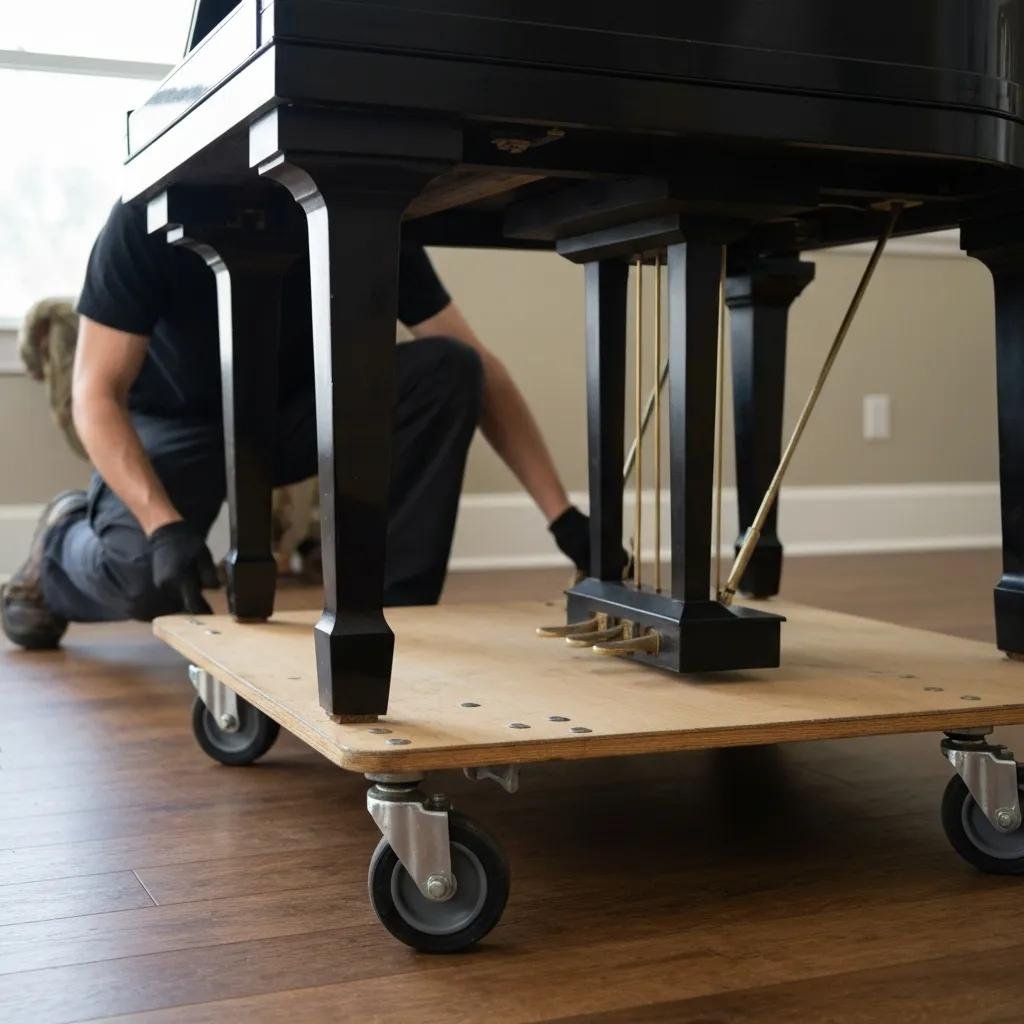
Piano protocols change by type: uprights move on compact skates and padded plates; baby grands may need partial disassembly and secure crating for lids and fallboards; full grands often need key removal, soundboard protection, and hoisting for tight access. For stairs or narrow entries, we plan sequential lifts and use padded tracks or temporary ramps to protect the instrument and the space. After the move, we recommend scheduling a tuner once the piano stabilizes in its new environment — humidity and settling affect pitch.
What are the key features of our art and antique moving services?
We preserve art and antiques using museum-grade materials, documented condition reports, and climate-aware transport to prevent damage to canvases, frames, veneers, and finishes. Custom crates protect items from shock and vibration, while humidity buffers and insulated crates help on longer trips. Sculptures and irregular shapes get padded supports and internal bracing without intrusive fasteners. Careful labeling and condition documentation during packing keep accountability clear and streamline insurance or placement at delivery.
How do we handle safes and other heavy items?
Moving safes and heavy equipment requires rigging straps, rollers, hydraulic lifts, and sometimes structural reinforcement to move loads safely without harming floors or building systems. We assess weight distribution, clearance needs, and whether temporary floor protection or removal of interior finishes is necessary. Our crews coordinate with building management for elevator reservations or street hoists and follow strict safety protocols to protect people and property. Clear communication about these needs during the estimate stage minimizes surprises and keeps timelines on track.
What does our white-glove service include?
White-glove service covers full packing, professional unpacking, inside placement, minor furniture assembly, debris removal, and concierge-level handling for high-value homes or collections. This premium option uses higher-touch packing materials, item-specific crates, and dedicated crew members who handle alignment, leveling, and surface protection. Optional add-ons include short-term climate-controlled storage and coordination with restorers or tuners. For owners who want minimal disruption and maximum protection, white-glove service bundles convenience and peace of mind.
How can you request a free quote for specialty moving?
To get an accurate free quote, provide clear photos, dimensions, weights (if known), access descriptions, and any provenance or valuation documents for high-value items. Inventory-based estimates that list services — custom crating, rigging, climate control, stair or hoist work — are the most reliable because they show the cost drivers. At Smart Penny Moving, requesting a quote is the first step in a transparent planning process. The short checklist below shows what to prepare to speed up an accurate estimate and scheduling.
- Take photos of each specialty item and the surrounding doorways, stairways, and hallways.
- Measure item dimensions and note approximate weights or materials where possible.
- Describe access constraints: flights of stairs, elevator sizes, parking or loading limitations.
- Gather provenance or valuation documents for insured pieces and note any climate-control requirements.
What information is needed for an accurate specialty estimate?
An accurate estimate relies on item photos, precise dimensions, access notes (stairs, elevators, narrow halls), and any value or provenance documentation to guide crating and insurance. Tell us if doorways can be removed or if windows are usable for hoisting so we can plan hoists or rigging and estimate permitting. Share your preferred timing and any delicate-condition concerns so we can recommend the right packing level and vehicle. Providing this upfront yields a more reliable, inventory-driven quote and a predictable budget.
How does Smart Penny Moving keep pricing transparent and competitive?
We use inventory-based estimating and a no-hidden-fees policy to make pricing clear and comparable. Estimates list cost drivers like crating, rigging, distance, and access complexity, and are based on documented inventories and agreed service levels rather than rough hourly guesses. We encourage questions about insurance and third-party valuation so coverage matches value. Clear line items and a walk-through of included protections help customers compare options and avoid surprise expenses at delivery.
Common questions about specialty item moving
Customers most often ask about costs, insurance, fragile-item protection, and heavy-item logistics. Short, direct answers help you decide before requesting a quote. The table below gives scannable responses and a clear call to request a custom estimate for precise pricing and protection advice.
Intro to FAQ table: The table below provides scannable answers to frequent specialty-moving questions and points you to request a tailored quote.
How much does it cost to move a piano or other specialty items?
Key cost drivers are distance, weight and fragility, access constraints (stairs or hoists), disassembly and reassembly, and custom crating or climate protection. The most accurate pricing comes from an inventory-driven estimate that breaks out specialized services so you can see how each choice affects the total. For exact numbers and a tailored plan, request a free inventory-based quote that itemizes crating, rigging, transport, and insurance recommendations.
What insurance coverage is recommended for valuable and fragile items?
Recommended coverage depends on declared value and whether the mover’s basic liability covers that amount. Many owners add third-party valuation or transit insurance for high-value pieces. Document condition with photos and provenance to support any claim. During the estimate and booking, discuss limits, deductibles, and covered incidents so protection matches the move’s risk profile. Proper documentation and the right valuation reduce uncertainty and speed claim resolution, if needed.
How do movers protect fragile items during transport?
Fragile items are protected with multiple layers: museum-grade wrapping, foam inserts, custom crates, shock-absorbing packing, and climate control when required. We isolate delicate pieces from truck vibration, secure them with multi-point tie-downs, and keep them separate from heavy loads. For framed art, we use corner guards and cradle supports; textiles and tapestries get acid-free wrapping. Telling us about sensitivity and environmental needs during consultation ensures protections are planned and budgeted.
Can movers handle oversized or heavy items like safes and medical equipment?
Yes — professional movers plan rigging, use hydraulic equipment, and sequence moves with trained crews. We evaluate whether permits or structural reinforcement are required and include weight distribution checks and temporary floor protection in the plan. For medical or calibrated equipment, we consider shock isolation and post-move recalibration. Providing dimensions, weights, and access constraints early enables accurate planning and reduces execution risk.
Frequently Asked Questions
How should I prepare my specialty items for moving?
Start by photographing each item and noting existing damage. Clean items so dust and debris won’t scratch surfaces during handling. If feasible, disassemble large pieces (for example, remove legs or pedals from furniture or pianos) to make handling safer. Tell your mover about any climate-control needs or special concerns so they can plan appropriate packing and transport.
How can I ensure my specialty items are insured during the move?
Talk to your mover about available liability options and consider third-party transit insurance for high-value items. Document condition and value with photos and provenance before the move — that documentation is essential for claims. Review the policy terms, including deductibles and covered damages, so you understand what’s protected.
What are the benefits of using a white-glove moving service?
White-glove service offers full packing, unpacking, precise placement, and careful handling for delicate or high-value items. It saves you time and stress by including minor assembly, finish protection, and debris removal. If you want maximum care and minimal disruption, white-glove is the best option.
How do I choose the right moving company for specialty items?
Look for companies that specialize in the items you need moved — pianos, art, antiques, or heavy equipment. Read reviews and testimonials, confirm licensing and insurance, and ask about past experience with similar moves. Request detailed, itemized quotes that spell out services, costs, and insurance options so you can compare providers fairly.
What should I expect during the moving process for specialty items?
Expect a structured approach: an assessment, specialized packing, careful loading with the right equipment, secure transport, and careful unloading and placement. The team will walk you through requirements and perform a final walkthrough to confirm placement and condition. Clear communication and planning make the process predictable and safe.
Are there any specific regulations for moving heavy items like safes?
Yes. Moving very heavy items can require permits for street access or elevator use, and movers must follow safety protocols to protect property and crew. Tell your mover the safe’s weight and dimensions early so they can plan for permits, floor protection, or extra crew and equipment.
What are common challenges when moving specialty items?
Common challenges include tight spaces, the need for museum-grade packing, and coordinating heavy or fragile logistics. Pianos may need disassembly and humid‑controlled transport; artwork often needs custom crating and climate protection. Access issues like stairs or narrow doorways can complicate moves. Working with an experienced specialty mover helps you avoid those pitfalls and ensures a smooth transition for your valuables.
Conclusion
Hiring an expert for specialty-item moving protects your most valuable belongings and reduces stress. With tailored packing, the right equipment, and trained professionals, your items arrive safer and in better condition. If you want a seamless move, Smart Penny Moving can help — request a free quote today and take the first step toward a worry-free relocation.