
Uncover Common Moving Complaints to Hire Reliable Smart Penny Moving
Customer reviews consistently highlight common complaints about moving companies. Knowing these patterns helps you sidestep the most frequent problems when you’re looking for movers in your area. This article dives into recurring issues found in reviews—like damaged belongings, unexpected fees, delivery delays, poor communication, and unprofessional conduct—explaining how these problems arise, how to spot the risks, and what to ask movers to prevent them. By analyzing review language and linking complaints to their likely causes, you’ll get practical steps to vet local providers and steer clear of moving scams. We’ll cover how to spot red flags when hiring a moving company, concrete scam-avoidance tactics, and packing/insurance tips to safeguard your items. Plus, you’ll see how Smart Penny Moving’s service model is designed to tackle these frequent complaints. You’ll find tables that connect complaints to their causes and prevention methods, handy checklists for quick vetting, and specific pre-move preparation steps so you can get accurate estimates and avoid surprises on moving day.
What Are the Most Common Complaints About Moving Companies?
Common moving company complaints are recurring customer reports that point to systemic failures in operations, communication, pricing, and handling. Reviews often cluster around five core issues: physical damage to items, hidden fees that inflate final cost, scheduling delays or late deliveries, poor or inconsistent communication, and unprofessional crew behavior. Understanding these complaint categories lets you map review language to root causes and adopt targeted mitigation steps when interviewing movers. The next subsections break each complaint into typical examples, underlying causes, and practical prevention tactics that you can implement before and during your move.
Which Types of Damage Do Customers Report Most Often?
Customers most frequently report scratches and gouges on furniture, breakage of glass and ceramics, and electronic or appliance damage caused during loading, transit, or unloading. These damages usually result from inadequate packing materials, improper padding, unsecured loading on the truck, or inexperienced crew handling heavy or fragile items without proper equipment. To reduce risk, insist on an itemized inventory, specialty packing for fragile items, and clear handling protocols before the move so responsibilities and expectations are explicit. Proper documentation of item condition before loading creates an evidentiary baseline for any subsequent damage claim and helps the mover plan protective measures.
Intro to the EAV mapping table below explains how complaints link to causes and actions. This table helps you match common damage reports to verifiable questions to ask a mover before booking.
This EAV table helps you convert review language into targeted verification questions. The next section addresses how hidden fees commonly appear in reviews.
How Do Hidden Fees Affect Moving Experiences?
Hidden fees erode trust and turn an otherwise acceptable move into a disputed bill when customers receive final invoices much higher than quoted amounts. Typical unexpected charges mentioned in reviews include fuel surcharges, stair or long-carry fees, last-minute labor charges, and fees for services that were verbally promised but not written into the estimate. Vague or oral quotes are a primary cause, because they leave price elements undefined and make consumers vulnerable to add-ons. Always demand an itemized, written estimate that spells out potential surcharges and what triggers them; this transparency dramatically reduces surprise charges and provides a contractual basis for dispute resolution.
A concise EAV table below maps fee-related complaints to root causes and client actions. Understanding this dynamic helps you phrase questions that reveal true pricing structures.
This fee table shows which verification steps reduce billing surprises. Next we examine scheduling and delivery delays.
What Causes Moving Delays and Late Deliveries?
Delays and late deliveries stem from operational overbooking, route planning errors, traffic and weather, or insufficient scheduling buffers when companies promise narrow time windows. Long-distance moves add complexity through carrier handoffs and regulated transit windows, while local moves often suffer from unrealistic same-day scheduling promises. To mitigate delays, require a clear delivery timeframe, ask about route optimization and contingency plans, and request documented expectations for arrival windows and compensation or remediation if the schedule is missed. Proactive communication and documented timing commitments reduce the anxiety and secondary costs associated with late deliveries.
These operational causes lead directly into how poor communication compounds scheduling problems and what communication protocols to demand from your mover.
Why Is Poor Communication a Frequent Complaint?
Poor communication manifests as late or no responses, unclear arrival times, changing crew sizes or unexpected scope changes, and lack of a single point of contact during move day. This problem typically arises from weak customer-service protocols, decentralized operations, or absence of documented confirmations that bind both parties. Insist on a named point of contact, written confirmations of arrival windows and crew composition, and day-of updates via phone or SMS so you can track progress and escalate quickly if needed. Consistent, documented communication prevents misunderstandings and forms the basis for resolving disputes when they arise.
Clear expectations for communication also reduce the risk of unprofessional behaviors that show up in reviews, which we cover next.
What Unprofessional Behaviors Do Customers Encounter?
Unprofessional behavior reported in reviews includes crew rudeness, missed appointments without notice, lack of identification or uniforms, and careless handling of property or personal space. These issues often indicate poor hiring, inadequate training, or lack of operational standards for conduct and property respect. Before hiring, verify the company’s policies on crew vetting, identification, and conduct, and request references or recent feedback demonstrating consistent professional behavior. If unprofessional conduct occurs during a move, document incidents promptly, notify the mover’s point of contact, and follow up with a written complaint referencing the original contract and inventory records.
These complaint categories and mitigation tactics frame the red flags you should check when hiring a mover, and the next section provides a structured red-flag checklist.
How Can You Spot Red Flags When Hiring a Moving Company?
A focused red-flag checklist helps you screen movers quickly by translating review patterns and operational indicators into verification steps. Red flags include missing licensing or insurance documentation, vague or undocumented estimates, demands for large upfront cash deposits, inconsistent online presence or recent negative reviews, and absence of a physical address. Use authoritative verification (regulatory databases and business profile checks) and insist on written estimates and clear deposit policies to avoid predatory operators. The following list highlights immediate red flags to watch for during initial contact and quote comparisons.
What Are the Warning Signs of Unlicensed or Uninsured Movers?
Unlicensed or uninsured movers lack required regulatory credentials or valuation coverage and therefore expose customers to financial risk if damage or loss occurs. Interstate moves and regulated carriers require documented USDOT or motor carrier authorizations, while local intrastate moves may have state-level licensing—ask the mover to show licensing and insurance documentation in writing. Verify the numbers and coverage types, and confirm what valuation or liability options are offered in the contract so you know who is responsible if items are damaged. Verifying credentials before booking eliminates a major class of risk described in consumer-protection resources and prevents reliance on verbal assurances.
Moving Company Risk Management: Loss Prevention and Damage Containment Strategies
She insists that a company’s long-term viability must include a developed strategy on the management of risk, loss prevention and control and damage containment.
The need for a corporate strategy on risk management and risk transfer, 1989
Confirming licensing naturally leads to scrutinizing the estimate type and wording, so the next subsection examines estimate red flags.
How Do Vague or Binding Estimates Signal Potential Problems?
Estimates come in several types—binding, non-binding, and binding-not-to-exceed—and each has implications for final cost and dispute resolution. Vague estimates that omit item-level detail or use imprecise language (“may incur additional charges”) make it difficult to predict final cost and indicate a poor quoting process. Ask for a binding or binding-not-to-exceed estimate when possible, request itemized line items for labor, travel time, packing materials, and surcharges, and get the estimate in writing with signature lines to ensure accountability. Clear estimate documentation reduces the chances of post-move billing disputes and creates an enforceable baseline for resolving disagreements.
After clarifying estimates, be alert to suspicious deposit requests, which are covered next.
Why Are Large Upfront Cash Deposits a Red Flag?
Large upfront cash deposits—especially requests for full payment in cash—are a common red flag indicating potential fraud or bait-and-switch tactics; reputable movers typically require modest deposits or secure payment methods with documented invoices. Demanding significant cash before any work begins makes it hard to pursue refunds or dispute charges, and often correlates with poor accountability. Prefer credit card or documented bank transfers with clear contractual terms and avoid companies that insist on cash-only payments without receipts. Safe payment terms reduce the leverage that unscrupulous operators use to hold items or demand additional funds at delivery.
What Other Common Red Flags Should Consumers Watch For?
Other warning signs include no written contract, evasive answers to questions about claims procedures, inconsistent online reviews (sudden surges of five-star or one-star reviews), and missing or vague physical address information. Quick verification steps include checking business profile timestamps, searching for consistent review descriptions, and asking for recent references; photo or video evidence of prior moves can also indicate operational transparency. If multiple red flags appear together, treat them as a pattern and consider alternative providers—pattern recognition in reviews is often more predictive than any single negative comment. Recognizing clusters of red flags helps you choose a mover with predictable, verifiable practices.
How to Avoid Moving Scams and Protect Your Belongings During a Move?
Avoiding moving scams centers on documented agreements, transparent pricing, verified credentials, and professional packing and insurance practices that reduce loss exposure. Scams commonly exploit vague estimates and payment pressure, and prevention requires a combination of verification steps and documented expectations: obtain itemized written estimates, validate licensing and insurance, require photo-documented packing for high-value items, and use traceable payment methods. Implementing these safeguards minimizes both the chance of fraud and the likelihood of damage or loss, and the next subsections break down common scams, transparent-pricing practices, packing and insurance choices, and communication checkpoints that prevent exploitation.
What Are the Most Common Moving Scams Reported by Customers?
Common moving scams include bait-and-switch quotes that balloon after pickup, hostage tactics where movers hold belongings until extra payment is made, phantom movers who collect deposits then disappear, and unlicensed carriers that deny liability for damage. Each scam exploits gaps in documentation or aggressive deposit/payment demands, and victims often report pressure tactics or sudden “extra” fees upon delivery. To protect yourself, refuse large cash deposits, demand an itemized written contract, and verify company legitimacy through official registries and consistent public reviews. Early detection and refusal to proceed on suspicious terms are the most effective immediate defenses against these scams.
How Does Transparent Pricing Prevent Unexpected Costs?
Transparent pricing includes an itemized estimate that lists labor, mileage, packing materials, surcharges, and conditions under which additional charges apply; this level of specificity prevents surprise invoices and clarifies expectations. When pricing is transparent, you can compare quotes like-for-like, identify outlier charges, and hold the mover accountable to documented terms. Ask for a sample estimate or line-item explanation during the quote process, and verify whether the mover uses inventory-based software or in-person surveys to produce estimates. Clear pricing documentation reduces disputes and lets you budget accurately for the move.
What Packing and Insurance Practices Reduce Damage Risks?
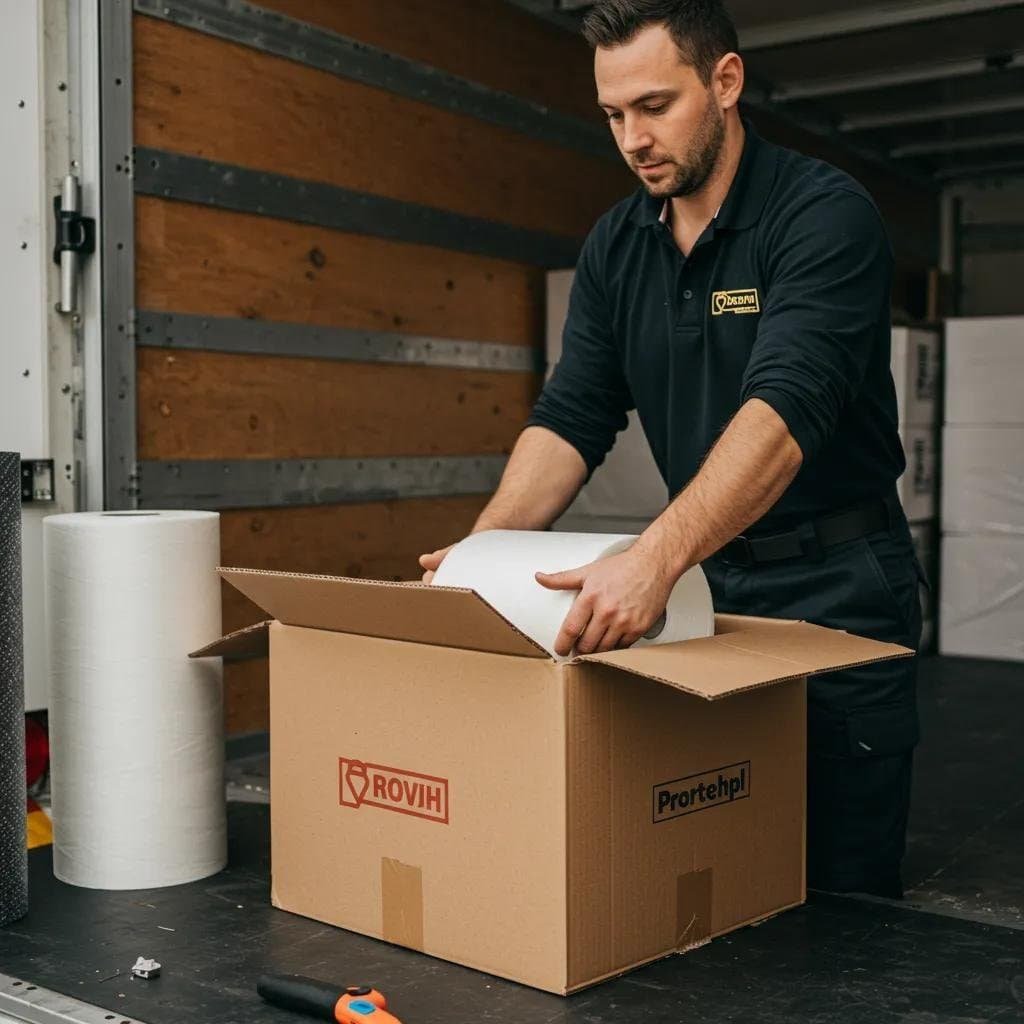
Professional packing practices—using appropriate boxes, padding, shrink wrap, and labeled crates for fragile or specialty items—significantly lower breakage rates reported in reviews, while insurance/valuation options determine recovery when loss occurs. Choose movers who offer professional packing services for fragile items, confirm which packing materials are included in the quote, and decide on a valuation level that matches the value of your possessions. For high-value items, require specialty crating or dedicated handling protocols and document pre-move condition with photos. Combining professional packing with appropriate valuation coverage creates a layered defense against damage and simplifies claims if incidents occur.
How Can Clear Communication Help Avoid Scams?
Clear, consistent communication establishes expectations and reduces the leverage scammers use to pressure customers at delivery time; documented agreements, named points of contact, day-of updates, and delivery check-ins create transparency. Require written confirmations of pickup and delivery windows, insist on receipt of an itemized inventory, and request real-time updates on move day via SMS or email so you have a time-stamped record. If issues occur, documented communication makes escalation straightforward and provides evidence for dispute resolution with the mover or regulators. Good communication protocols also improve operational predictability and customer confidence.
What Solutions Does Smart Penny Moving Offer to Address Frequent Moving Issues?
Smart Penny Moving presents a service model aimed at preventing the major complaints found in reviews by combining transparent pricing, advanced estimate workflows, professional packing options, licensing and insurance compliance, and structured communication protocols. The company’s stated services—Local Moving, Long Distance Moving, Commercial Moving, Senior Moving, College Moving, Storage, and Packing Services—align with operational solutions: accurate inventory-based estimates, professional packing and protective materials, and documented delivery windows to reduce delays and disputes. The table below maps specific issues to Smart Penny Moving’s advertised solutions and the customer benefits those solutions deliver.
This EAV table demonstrates how operational practices translate into customer-level benefits. The following subsections explain each solution area with examples of how to verify them when you request a quote.
How Does Smart Penny Moving Ensure Transparent Pricing and No Hidden Fees?
Smart Penny Moving promotes transparent pricing through estimate software that uses detailed inventory lists to generate itemized quotes and a no-hidden-fees policy to limit surprises at delivery. The mechanism—inventory-driven quoting—reduces subjectivity in labor and materials estimates, and the company emphasizes written, itemized estimates so customers can compare line items and understand potential surcharge triggers. When requesting a quote, ask how the inventory is collected (photo survey, in-person walkthrough, or detailed client list) and which line items are included or excluded so you can validate the estimate. Clear, documented pricing provides a concrete baseline to reduce billing disputes and aligns expectations before move day.
What Measures Protect Your Belongings From Damage?
Smart Penny Moving lists professional packing services, specialized materials, and handling standards as primary measures that protect customer belongings during a move. Professional packers use reinforced boxes, padding, shrink wrap, and furniture protection techniques to secure items, and the company’s protocols for specialty items—like antiques and electronics—include custom crating or dedicated handling procedures. Customers should confirm which packing services are included in the quote and request documentation of packing scope for high-value items, as this affects both liability and claims processing. Robust packing protocols, combined with clear valuation options, minimize damage risk and speed resolution if damage occurs.
How Does Smart Penny Moving Guarantee Timely Delivery?
Smart Penny Moving addresses timeliness with scheduling practices, route optimization, and contingency planning designed to produce realistic pickup and delivery windows. The company’s logistics approach includes planning based on inventory size, travel time, and known access constraints to set achievable schedules, and day-of updates help customers track progress and prepare for delivery. Ask for documented pickup and delivery windows, an explanation of buffer policies for weather or traffic, and how they notify customers about delays. Proactive scheduling and transparent notifications reduce frustration and provide predictable timelines for customers.
How Is Customer Communication Managed for a Stress-Free Move?
Smart Penny Moving emphasizes pre-move consultation, written confirmations, and day-of updates through designated contact channels to maintain continuity of information and reduce miscommunication. A named point of contact handles scheduling and escalation, and customers receive confirmations that outline crew size, arrival windows, and services included, which aids planning and clarifies expectations. Insist on a documented communication cadence when booking—pre-move checks, day-before reminders, and move-day updates—to ensure you have timely status information and a clear escalation path. Structured communication protocols cut down on misunderstandings and create a reliable record should any dispute arise.
Why Is Choosing Licensed and Insured Movers Important?
Choosing licensed and insured movers protects you financially and legally if loss, damage, or negligent behavior occurs, because licensing demonstrates regulatory compliance and insurance provides mechanisms for compensation. Smart Penny Moving advertises fully licensed and insured operations; when vetting a mover, request written proof of specific coverage types, valuation options, and how claims are handled. Understanding the difference between basic carrier liability and fuller valuation plans lets you make informed choices about risk transfer. Validating credentials before booking reduces exposure to unlicensed operators and ensures you have recourse if problems occur.
What Do Customer Reviews Reveal About Moving Company Experiences?
Customer reviews reveal patterns of complaint and praise that often predict future service performance when interpreted correctly; reviews highlight repeat issues like damage, fees, delays, and communication lapses as well as positive behaviors such as timely remediation and fair claims handling. Analyzing reviews for frequency of specific complaints, consistency of resolution behavior, and the presence of detailed narratives (versus one-line ratings) helps assess reliability. The following subsections summarize the most common complaints appearing in reviews, describe how positive reviews illustrate effective problem solving, explain how to weigh review signals, and offer concrete steps to translate review findings into interview questions for movers.
Which Complaints Are Most Frequently Mentioned in Reviews?
Reviews most frequently cite damage, unexpected fees, late deliveries, and poor communication as the primary grievances; these themes appear across local and long-distance move contexts and often include repeated descriptors like “charged extra,” “items scratched,” or “no-show.” Patterns that matter include repeat mentions of the same issue across multiple reviews (which suggests systemic problems) versus isolated incidents that may be one-off events. Look for clusters of similar language and pay attention to how the company responded to negative feedback, which reveals operational accountability. Recognizing repeated complaint patterns gives you predictive insight into the mover’s likely performance.
How Do Positive Reviews Highlight Effective Problem Solving?
Positive reviews often describe quick responses to issues, fair settlements on claims, timely follow-up, and staff who went beyond expectations to remediate problems, demonstrating that responsiveness and clear policies produce favorable outcomes. Anonymized examples include companies that arranged replacements or expedited repairs after damage, or offered transparent refunds on disputed charges, which signals robust claims processes and customer-centric escalation paths. When evaluating movers, prioritize providers whose positive reviews emphasize resolutions and process over simple praise, as reconstruction of a problem’s handling reveals competence.
What Role Do Reviews Play in Choosing a Reliable Mover?
Reviews serve as a real-world validation of claims when you consider review volume, recency, and narrative quality; a large number of recent, detailed reviews that describe both problems and resolution is more informative than an extreme number of stars without context. Use criteria such as frequency of specific complaints, the company’s response patterns, and whether reviewers provide evidence (photos, timelines) to determine credibility. Cross-check review signals against licensing and documented policies to form a holistic judgment rather than relying on ratings alone. Combining review analysis with credential checks yields a more reliable vetting process.
How Can You Use Reviews to Avoid Bad Moving Experiences?
Use reviews to build a mini-checklist of questions tailored to observed complaints: ask about packing procedures if many reviews cite damage, request deposit policies if fees are a concern, and demand delivery windows if delays recur. Create direct questions derived from review patterns and ask the mover to explain how they would handle similar incidents, which reveals policies and preparedness. If reviews consistently mention unresolved disputes, consider that a red flag and prioritize alternatives. Turning review language into targeted vetting questions makes your interview process evidence-driven and improves the odds of selecting a reliable mover.
How Can You Prepare to Minimize Moving Issues Before Your Move?
Preparation reduces the likelihood and impact of common moving issues by creating clarity around inventory, expectations, payments, and scheduling. Essential preparatory steps include compiling an accurate room-by-room inventory with photos, asking targeted questions about licensing and claims, deciding which items require professional packing, and scheduling with realistic buffer windows. The following subsections provide tailored questions to ask movers, inventory creation methods, packing tips that reduce damage and loss, and scheduling tactics to avoid delays. Proper pre-move work aligns expectations and produces more accurate estimates and smoother move execution.
What Are Essential Questions to Ask Your Moving Company?
Ask about licensing and insurance, the exact estimate type and what it covers, crew size and arrival windows, packing scope and materials, and the claims process and timelines; these questions verify both legitimacy and operational readiness. Use sample scripts that request documented answers—“Will you provide an itemized written estimate?” and “What valuation options do you offer?”—to ensure responses are comparable across providers. Also ask about contingency plans and escalation contacts so you know who to call if problems arise. Clear, consistent answers to these essential questions reduce ambiguity and set expectations before move day.
How Should You Create an Accurate Inventory for Estimates?
Create a room-by-room inventory with item counts, dimensions for large furniture, and photos of high-value or fragile items to produce precise estimates and reduce scope changes. Flag specialty items (pianos, antiques, large appliances) explicitly so movers account for handling, equipment, and packing needs; photographic evidence speeds validation and reduces disputes about pre-existing condition. Share this inventory with prospective movers and confirm how they incorporate it into their estimate process, which increases quote accuracy and reduces the risk of surprise charges. A disciplined inventory process also facilitates faster claims handling if damage occurs.
What Packing Tips Reduce Damage and Loss?
Prioritize professional packing for fragile and valuable items, use double-boxing for vulnerable goods, label boxes clearly by room and content, and stage items for efficient loading to prevent crowding and shifting in transit. Use quality materials—rolling pads for furniture, dish packs for glassware, and proper cushioning for electronics—and ensure fragile boxes are marked and loaded last for protective placement. For do-it-yourself packers, photograph packed boxes and keep an inventory list accessible during loading. These packing practices reduce the frequency and severity of damage claims and make unloading and placement more efficient.
How Can Scheduling and Planning Prevent Delays?
Book well in advance, especially during peak moving seasons, include buffer days for pickup and delivery, confirm crew size and arrival windows, and request written confirmations to lock expectations. Allow for contingencies like traffic, weather, or permit delays by scheduling flexible delivery windows and verifying whether the mover uses route optimization or carrier networks for long-distance moves. Coordinate with landlords, building managers, or parking authorities ahead of move day to avoid last-minute access problems. Thoughtful scheduling and confirmation reduce day-of surprises and improve the likelihood of on-time completion.
What Are the Key Takeaways for Choosing a Reliable Moving Company Near You?
Choosing a reliable mover requires combining credential verification, review analysis, transparent pricing, and clear contractual terms to reduce risk and improve outcomes. Focus on movers that provide written, itemized estimates, demonstrate consistent review-based resolution behavior, offer professional packing and valuation options, and maintain clear communication protocols before and during the move. The checklist below summarizes core verification steps you can use immediately when comparing providers, followed by a final note on how Smart Penny Moving’s approach aligns with these best practices and a single clear step to request a free quote if you wish to proceed.
- Documented Estimates: Request an itemized, written estimate based on your inventory.
- Verified Credentials: Confirm licensing and insurance documentation in writing.
- Clear Payment Terms: Avoid large cash deposits; prefer traceable payment methods.
- Professional Packing: Ensure fragile items are covered by professional packing or detailed instructions.
- Communication Plan: Get a named point of contact and day-of update protocol.
How to Recognize a Trustworthy Mover Based on Reviews and Credentials?
Recognize trustworthy movers by balanced review profiles that include detailed problem-resolution narratives, up-to-date positive feedback, and corroborating proof of licensing and insurance; cross-check review claims against documented company policies. Look for consistent language about punctuality, fair billing, and responsiveness to issues, and validate those claims by asking for recent references or evidence of standard operating procedures. A mover that answers review-derived questions with specific examples and written policy descriptions is more likely to perform reliably. Use credential verification and review analysis together to form a holistic judgment.
What Are the Benefits of Transparent Pricing and Professional Service?
Transparent pricing and professional service deliver predictable budgeting, fewer disputes, lower damage rates, and a smoother overall customer experience that preserves time and reduces stress. When pricing is explicit and packing or handling responsibilities are defined, decision-making becomes straightforward and claims are easier to resolve if incidents occur. Professional conduct—trained crews, clear communication, and documented processes—translates into efficiency on move day and higher likelihood of timely delivery. These combined benefits justify prioritizing process and documentation when selecting a mover.
How Does Smart Penny Moving Stand Out in Addressing Common Complaints?
Smart Penny Moving presents a solution set that targets the main complaint clusters: inventory-based itemized estimates to limit hidden fees, professional packing services and protective materials to reduce damage, scheduling and communication protocols to manage timing, and a stated fully licensed and insured operational model to protect customers. The company also highlights review-based social proof resources and a clear site structure with packing tips and checklists that support customer preparedness. If you prioritize transparent pricing, professional packing, and documented communication, Smart Penny Moving’s stated practices align with those priorities and provide a concrete pathway to a lower-risk move.
What Steps Should You Take to Book a Stress-Free Move?
Follow a stepwise sequence: verify credentials and reviews, obtain an itemized written estimate, confirm packing scope and valuation, schedule with realistic buffers, and document all communication and payment terms before move day. Use the pre-move inventory and packing checklist to ensure accurate estimates and minimize scope changes that cause surprise charges. During booking, secure written confirmations and a named point of contact for day-of coordination and escalation. These steps create predictability, reduce disputes, and increase the odds of a smooth move.
For local moves in the Massachusetts and Texas regions, prioritize licensed, insured providers with transparent estimates and professional packing offerings to minimize risks identified in reviews and complaint patterns.
Frequently Asked Questions
What should I do if my belongings are damaged during a move?
If your belongings are damaged during a move, the first step is to document the damage with photos and notes. Contact your moving company immediately to report the issue and inquire about their claims process. Most reputable movers will have a procedure in place for handling damage claims, which may include filling out a form and providing evidence of the damage. Be sure to keep all communication in writing for your records. Understanding your insurance options and the mover’s liability can also help you navigate the claims process effectively.
How can I ensure my moving company is reputable?
To ensure your moving company is reputable, start by checking their licensing and insurance status. Look for reviews on multiple platforms to gauge customer satisfaction and identify any recurring issues. Ask for references from recent customers and verify their operational history. Additionally, request a detailed, written estimate and ensure they provide clear communication throughout the process. A reputable mover will be transparent about their services, pricing, and policies, and will be willing to answer any questions you have.
What are the best practices for packing fragile items?
When packing fragile items, use high-quality packing materials such as bubble wrap, packing paper, and sturdy boxes. Wrap each item individually and use cushioning materials to fill any empty spaces in the box to prevent movement during transit. Label boxes containing fragile items clearly and indicate which side should face up. If possible, consider using specialty boxes designed for fragile items. For high-value or particularly delicate items, professional packing services may be worth the investment to ensure they are handled with care.
How can I avoid being charged hidden fees?
To avoid hidden fees, always request a detailed, itemized estimate from your moving company that outlines all potential charges. Ask specific questions about any additional fees that may apply, such as fuel surcharges, long-carry fees, or charges for packing materials. Ensure that all verbal agreements are documented in writing. It’s also wise to confirm the payment terms and conditions before the move, as this can help you avoid unexpected costs on the final bill.
What should I do if my moving company doesn’t show up on the scheduled day?
If your moving company fails to show up on the scheduled day, first try to contact them directly to understand the situation. There may be a legitimate reason for the delay. If you cannot reach them or if they are unresponsive, document the missed appointment and any communication attempts. Depending on your contract, you may have grounds for a complaint or a claim for damages. Consider reporting the company to consumer protection agencies or the Better Business Bureau if they do not resolve the issue satisfactorily.
What are the benefits of using a professional moving service?
Using a professional moving service offers several benefits, including expertise in packing and handling items, which reduces the risk of damage. Professionals have the right equipment and techniques to move heavy or bulky items safely. They also provide insurance options that protect your belongings during transit. Additionally, hiring professionals can save you time and reduce stress, allowing you to focus on other aspects of your move. Their experience in logistics can also help ensure a smoother and more efficient moving process.
How can I prepare for a move to minimize stress?
To minimize stress during a move, start by creating a detailed plan and timeline that outlines each step of the process. Begin packing well in advance, focusing on non-essential items first. Organize your belongings by room and label boxes clearly. Communicate with your moving company about your needs and expectations, and confirm all details in writing. Additionally, consider enlisting help from friends or family, or hiring professional movers to ease the burden. Taking these proactive steps can help ensure a smoother transition to your new home.
Conclusion
Understanding common moving company complaints equips you with the knowledge to make informed decisions and avoid potential pitfalls. By recognizing issues such as hidden fees, damage to belongings, and poor communication, you can proactively address these concerns when selecting a mover. Implementing the strategies outlined in this guide will help ensure a smoother, more reliable moving experience. Take the next step towards a stress-free move by requesting a quote from a trusted provider today.