
Safeguard Items for a Damage-Free Move with Smart Penny Moving
Moving day presents a concentrated risk for damage to your belongings. A damage-free local move hinges on precise packing, secure transport, and smart planning to prevent loss. This article guides you through practical techniques and step-by-step procedures to help you avoid damage to your items during a local move. We cover targeted methods for protecting glassware, electronics, artwork, and furniture. Moves often falter due to mismatched packing materials or incorrect loading order. Applying the right materials and loading strategy significantly reduces impact forces and surface abrasion. You’ll learn about essential packing materials, how to pack fragile items safely, best practices for furniture protection and disassembly, loading and transport techniques, moving insurance options, the benefits of professional packing, and pre-move preparations that prevent damage. Throughout these sections, we’ll share specialist tips for packing materials, using moving blankets for couches, and how to pack electronics safely. We’ll also briefly highlight Smart Penny Moving as your trusted partner, offering Packing Services and Full-Service Moving with a damage-free promise and an option to request a free quote. Read on for checklists, tables, and clear how-to steps to safeguard your items from pickup to delivery.
What Essential Packing Materials Protect Your Belongings During a Move?
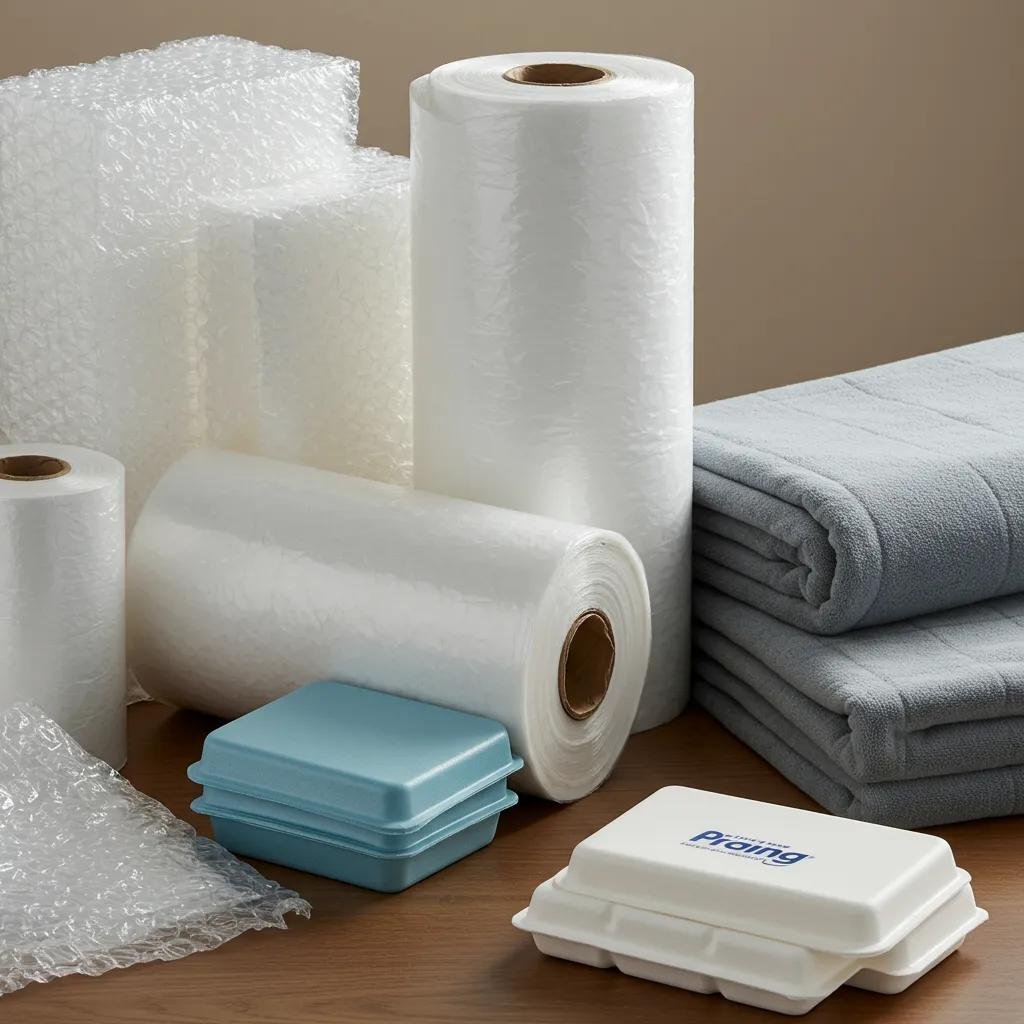
Essential packing materials provide cushioning, surface protection, and immobilization to prevent shock, vibration, and abrasion during transit. Using the correct material works by absorbing impact energy (like bubble wrap), preventing direct contact (packing paper and pads), and securing large surfaces (moving blankets). This results in fewer scratches, breaks, and dents. Choosing materials based on item type lowers the chance of damage and simplifies loading decisions, preventing items from shifting and colliding. Below are common materials, their primary function, and quick usage guidance to speed material selection and reduce packing errors.
Common packing materials and their core uses:
- Bubble wrap: Cushioning for fragile surfaces and impact absorption.
- Packing paper: Gap filling and scratch prevention for ceramics and wood.
- Moving blankets: Surface protection and abrasion resistance for furniture.
- Dish packs / double-walled boxes: Structural protection for dishes and glassware.
This grouping makes it easier to choose materials for each item before packing, which reduces last-minute mistakes and supports safer loading.
Which Types of Boxes Are Best for Moving Fragile and Heavy Items?
Different box types deliver strength and structure tailored to item fragility and weight capacity. Selecting the right box reduces crushing and puncture risk. Small heavy-duty boxes provide concentrated strength for books and tools. Dish packs and double-walled boxes protect glassware and ceramics. Wardrobe boxes prevent creasing in clothing while easing hanging transport. Use box dimension guidance—small boxes for heavy dense items, medium boxes for mixed goods, and large boxes only for light bulky items—to keep each box under a safe lifting weight and prevent seam failure. Reinforce seams with high-quality packing tape and consider double-boxing electronics and delicate items to create layered protection and reduce shock transfer between outer and inner boxes.
How Does Bubble Wrap and Packing Paper Prevent Damage?
Bubble wrap cushions by creating air-filled pockets that compress under shock, dispersing impact energy away from fragile surfaces and reducing concentrated stress. Packing paper prevents surface-to-surface abrasion, fills voids to stop movement, and can be layered under bubble wrap for combined scratch and impact protection. For electronics, anti-static wrap is essential because it prevents electrostatic discharge that can damage circuits; use anti-static materials for circuit boards, monitors, and peripherals. Choose kraft paper as a low-cost, recyclable alternative when environmental considerations matter, and always layer cushioning with immobilization to prevent items from shifting inside boxes.
Why Use Moving Blankets and Specialty Containers for Furniture Protection?
Moving blankets and specialty containers protect furniture finishes and structural integrity by providing thick, flexible padding that resists scratches, chips, and pressure marks during handling and transit. Blankets wrap around edges and flat surfaces to absorb abrasions, while specialty containers—like TV boxes, mirror boxes, and crates—add rigid support against crushing and point loads. Use blankets plus stretch wrap to hold pads in place without applying tape to wood finishes, and choose crates for high-value artwork or antiques where compression and humidity control matter. A short furniture protection checklist helps ensure you pack consistently and avoid finish damage.
Furniture protection checklist before wrapping:
- Ensure drawers are emptied and secured.
- Wrap edges and corners with foam or cardboard.
- Cover large surfaces with moving blankets and secure with straps.
- Use specialty boxes or crates for fragile or high-value items.
The ubiquity and essential nature of moving blankets in protecting valuables during transit are often overlooked.
Moving Blankets: Essential Protection for Valuables During Transit
The crash of metal on asphalt as the back of a truck lowers its lift, a grunt of exertion, a buoyant step on the platform, the shuffling of work boots in calculated motion, the crumbled sigh of fabric folding falling on itself. This observed situation is typical to the daily ins and outs of the moving blanket, a complicated dance to aid objects of importance in transit. Even if the name doesn’t ring a bell, you’ve seen it, perhaps even admired a neat stack of colorful blankets flanking the open back of a U-haul, providing visual respite amidst the labor and chaos of transition. If you count yourself among the 50 million Americans who will move this year, perhaps you have found aid in a moving blanket or two.
Non-specific: ubiquity, invisible labor and the moving blanket, 2016
How Do You Pack Fragile Items Safely for a Local Move?
Packing fragile items safely combines correct wrapping, thoughtful placement, and immobilization within the box so items resist shock and rubbing during transit. The mechanism is simple: individual protection reduces point stresses, nesting or vertical placement disperses loads, and void-fill prevents movement that causes collisions. For fragile item packing tips, supply lists and clear labeling enable handlers to know which boxes require special care and which sides must remain upright. Below are targeted how-to sequences for common fragile categories—glassware, electronics, artwork—that you can follow to reduce breakage.
Use this step-by-step approach across fragile categories to standardize packing and reduce variance between packers:
- Prepare supplies: boxes, bubble wrap, packing paper, tape, labels.
- Wrap each item individually: cushioned layers, secure seams.
- Immobilize inside box: fill voids, add dividers, tape box closed and label FRAGILE.
This structured process supports faster packing and creates consistent protection across items, which results in a lower overall damage rate.
What Are the Best Techniques for Packing Glassware and Ceramics?
Glassware and ceramics require individual wrapping, strategic placement, and vertical orientation to minimize edge impact and crushing. Wrap items individually in packing paper, then provide a final outer cushion of bubble wrap; stemware benefits from stem-first vertical placement in dish packs or boxes with dividers to isolate each piece. Use dish pack boxes for plates—wrap each plate and stack vertically with cushioning between—and keep box weight manageable so handlers can lift without compressing contents. Label boxes with contents and “This Side Up” to ensure movers maintain orientation and avoid stacking heavy loads on top.
How Should Electronics Be Packed To Avoid Damage?
Electronics are sensitive to shock, vibration, and electrostatic discharge, so pack them with anti-static protection, cable management, and structured cushioning. Whenever possible use original packaging, or recreate it with custom foam inserts and layered bubble wrap; remove batteries, secure loose parts, and coil cables tied and labeled for reassembly. Photograph setups before disassembly to speed reinstallation, and place monitors and flat-screen TVs in dedicated TV boxes or crates with corner protection. Clearly mark boxes with fragile and orientation labels and keep electronics near anchor points inside the truck to reduce movement during transit.
What Are the Steps to Protect Artwork and Antiques During Moving?
Artwork and antiques need conservation-minded handling: protective masking for glass, corner guards for frames, and custom crating for fragile or high-value pieces to control pressure and moisture. Use acid-free paper for direct contact with works on paper, and apply glass masking tape for framed pieces to keep glass fragments contained if breakage occurs. For sculptures and irregular objects, stabilize bases and consider custom crating with internal bracing to prevent rotation and point-load stress during transport. Document condition with photos and notes before moving to support insurance claims and preserve provenance.
What Are the Best Practices for Furniture Protection and Handling?

Furniture protection reduces surface damage and structural stress by combining disassembly, padding, and secure transport to limit shock and shear forces. Disassembly shortens transport footprints, decreases leverage on joints, and allows for denser, safer packing. Proper wrapping protects finishes while handling protocols and mechanical aids reduce dropped loads and impacts. Below are disassembly rationales, wrapping methods, and loading techniques that teams and DIY movers should use to limit damage.
Key benefits of disassembly and proper protection include easier maneuvering, better weight distribution in the truck, and fewer stress points on frames that cause long-term damage.
Why Is Furniture Disassembly Important for Damage Prevention?
Disassembly reduces leverage and pressure on joints and frames during handling, which lowers the risk of cracks, separations, and finish damage from awkward lifting. Commonly disassembled items include bed frames, table legs, and any furniture with detachable hardware; store hardware in labeled bags taped to the item or placed in a clearly marked box. When unsure about structural integrity, leave pieces assembled and request professional disassembly to avoid incorrect reassembly. Label parts clearly and photograph assembly points to simplify reinstallation and reduce errors that can lead to damage.
How to Wrap and Secure Wood Furniture with Moving Blankets and Pads?
Wrapping wood furniture involves layering protective pads and securing them without adhesive touching the finish; moving blankets provide thick cushioning while stretch wrap or straps hold blankets in place. Place cardboard or foam on corners first to prevent edge dents, then cover flat surfaces with blankets and secure by wrapping around legs and tucking material to avoid shifting. Avoid direct tape contact with wood; instead loop tape around the blanket or use plastic stretch wrap. Final handling should include a visual check for exposed finishes and re-tie straps before loading to ensure padding does not slip.
What Are Smart Loading Techniques to Prevent Furniture Damage?
Smart loading sequences place heavy, low-profile items first along the truck bed to create a stable base, followed by taller and lighter items, with furniture strapped to anchor points to prevent movement. Block and brace furniture using small lumber or load bars to prevent sliding, and interleave blankets between items to avoid scratching. Use load distribution aligned with axles to prevent excessive sway and ensure center of gravity is low and balanced side-to-side. Confirm straps are rated for the load and check tension periodically during transport to maintain immobilization.
How Can You Load and Transport Items to Avoid Damage During a Move?
Loading and transport safety relies on a planned sequence that balances weight, secures fragile items, and uses straps and padding to immobilize loads for the entire route. The mechanism is weight distribution—heavy items near the axle and low to the floor reduce inertia and lessen shifting—while straps and load bars convert potential sliding into secured static loads. Preparing the vehicle interior with runners and anchor checks reduces floor damage and provides additional friction points to hold items in place. Below are concise rules and a loading checklist that target damage prevention from lift to delivery.
Follow this checklist to prepare the vehicle interior and ensure consistent, damage-free transport:
- Inspect anchor points and load bars.
- Lay floor runners and protective mats.
- Position heavy items on the axle, fragile items forward and secured.
- Use straps, blocking, and bracing to prevent shift.
These steps make loading repeatable and defensible, lowering damage risk across the move lifecycle.
What Is the Correct Order for Loading Heavy and Fragile Items?
Loading order minimizes pressure and movement: start with heavy appliances and large furniture placed low and centered, then add medium boxes and finally fragile boxes on top or secured near anchor points. Place heavy items against the truck wall and on the floor to keep the center of gravity low, and avoid stacking fragile boxes beneath heavier loads. Balance weight across the axle to preserve vehicle handling and reduce bounce that transmits to contents. For two-mover teams, communicate the sequence before lifting so roles and orientation are consistent and safe.
How Do Straps and Tie-Downs Secure Items in the Moving Truck?
Straps and tie-downs secure items by converting potential sliding movement into restrained forces held against anchor points, and selecting the right strap rating prevents overloading and failure. Use cam straps or ratchet straps rated above expected loads, route straps around stable frames or palletized bases, and avoid over-tensioning which can compress padding or damage fragile surfaces. Anchor straps to factory-rated E-tracks or built-in rings and check strap tension at the midway point of long trips. Proper routing and periodic checks keep items immobilized and reduce shifting that can cause collisions.
How Should the Moving Vehicle Be Prepared for a Damage-Free Move?
Preparing the vehicle involves inspecting anchor integrity, protecting the floor and walls, planning item placement relative to axles, and ensuring weatherproofing for items sensitive to moisture. Lay floor runners to distribute point loads and prevent floor scratches, secure anchor points to manufacturer specs, and map the loading plan before any item enters the truck. Verify ventilation for temperature-sensitive items and use plastic sheeting for protection against rain during loading and unloading. A quick pre-trip checklist of anchor points, padding, and load plan reduces surprises and helps teams execute consistently.
What Moving Insurance Options Protect Your Belongings During a Move?
Moving insurance and valuation options define the financial protection level for items in transit. Understanding Released Value versus Full Value Protection clarifies cost and coverage trade-offs. Released Value typically provides minimal coverage calculated per pound, which keeps base costs low but limits recovery, while Full Value Protection offers broader reimbursement or repair guarantees for higher premiums. Choosing the right option depends on declared item value, sentimental vs replaceable classification, and willingness to document condition. Proper documentation and inventory reduce disputes and speed claims. Below is a compact comparison of common valuation options and a brief guide to filing claims.
Use the following list to consider which insurance approach aligns with your risk tolerance and item value:
- Released Value: Low-cost, limited coverage per pound.
- Full Value Protection: Higher cost, broader replacement/repair options.
- Third-party policies: Supplemental coverage for high-value collections.
Compare options against your inventory and choose the level that matches high-value items and antiques to avoid underinsurance.
What Is the Difference Between Released Value and Full Value Protection?
Released Value sets liability based on weight at a low per-pound rate, providing basic recovery but often insufficient for high-value or sentimental items. Full Value Protection means the mover assumes responsibility to repair, replace, or offer cash settlement for lost or damaged items, typically with a higher price attached. Deciding between them should factor item replacement cost, rarity, and documentation. For antiques, artwork, and electronics, Full Value is often recommended because it better reflects true replacement costs. Keep careful inventories and receipts to support claims regardless of chosen protection.
How Does Smart Penny Moving’s Insurance Coverage Provide Peace of Mind?
Smart Penny Moving emphasizes meticulous care, dependable handling, and transparent pricing. We offer insurance coverage options to match your needs. While specific policy details vary by move and are best confirmed directly, our trained and skilled movers can explain available valuation choices and help you request coverage details and a free estimate. Contact Smart Penny Moving to discuss insurance alignment for your shipment and to obtain a clear estimate of coverage options suited to your belongings.
How Do You File a Damage Claim After a Move?
Filing a damage claim begins with immediate documentation: photograph damaged items, record box labels, and note the mover’s inventory tag and delivery time to create a clear timeline. Next, notify the mover promptly according to their claims procedure, submit photos, receipts, and proof of value, and follow up with written summaries that include date, item description, and desired resolution. Maintain copies of all communications, and if coverage is through Full Value Protection or a third-party insurer, verify timelines and required forms to avoid missed deadlines. Clear documentation and early communication expedite resolution and improve claim outcomes.
Why Choose Professional Packing Services for a Damage-Free Move?
Professional packing services reduce damage by applying trained techniques, professional-grade materials, and standardized processes that DIY efforts often miss. Professionals use methods like custom crating, blocking and bracing, and industry-grade moving blankets to limit movement and absorb impact, which translates into measurable reductions in breakage and handling errors. For customers who prioritize a damage-free move, hiring specialists saves time and concentrates responsibility with a team trained in packing and transport logistics. Smart Penny Moving offers Packing Services and Full-Service Moving options that combine trained movers, materials, and coordination to simplify moves and provide a single point of accountability.
Benefits of professional packing services include consistent packing quality, faster execution, and reduced risk of missing fragile-handling instructions that lead to damage.
How Do Trained Movers Ensure Safe Handling of Your Items?
Trained movers apply coordinated lifting techniques, team communication, and specialized equipment such as dollies, lifting straps, and furniture sliders to reduce impact and human error during moves. Protocols include two-person lifts for large items, clear verbal commands during maneuvers, and staging zones to minimize traffic and accidental bumps. Training emphasizes protecting joints and finishes and using mechanical aids to avoid dropping or banging pieces during transitions. This structured approach reduces accidents and ensures that heavy or awkward items receive appropriate handling every step of the way.
What Packing Materials and Techniques Do Professionals Use?
Professionals use industrial blankets, custom crates, corner protectors, anti-static wraps for electronics, and heavy-duty dish packs that exceed consumer-grade materials in durability and fit. Advanced techniques include blocking and bracing inside crates to prevent rotation, double-boxing for extra fragile items, and climate-aware packing for temperature-sensitive pieces. These materials and techniques lower the probability of in-transit failures and improve recovery options if damage occurs by documenting professional-grade protection. For high-value items, custom crating offers the best combination of rigidity and internal support.
What Are the Benefits of Full-Service Moving with Smart Penny Moving?
Full-Service Moving with Smart Penny Moving offers consolidated coordination—one team handles packing, transport, and delivery—reducing handoffs and limiting the points where damage can occur. We emphasize meticulous care for your belongings and transparent pricing, which helps you plan and reduces surprise costs associated with damage or rework. Full-Service options also include access to trained movers and professional packing materials that protect fragile and heavy items, while providing a single contact for insurance and logistical questions. Request a free quote and booking to evaluate how full-service support matches your damage-prevention priorities.
What Pre-Move Preparation Steps Help Prevent Damage?
Pre-move preparation reduces on-the-day errors by organizing, labeling, and communicating handling priorities, which prevents mishandling and speeds unloading at the destination. Inventory management and consistent labeling let movers identify fragile boxes and prioritize placement, while pre-move safety checks eliminate trip hazards that cause accidents. Clear instructions about special handling—documented and reviewed with the moving team—ensure the mover knows which pieces require disassembly, crating, or climate control. The following checklist and labeling system help homeowners prepare so movers can execute without guesswork.
Begin with this organized labeling and inventory protocol to minimize confusion and protect high-value items:
- Label boxes with room, contents, and fragility level.
- Color-code critical boxes for priority handling.
- Create a concise inventory of high-value items with receipts and photos.
Consistent preparation simplifies the moving process and reduces both time and damage risk on the move day.
How Should You Organize and Label Boxes for Easy Handling?
Organize and label boxes by room, content summary, and fragility rating to give movers clear instructions at a glance and to speed unpacking at the new location. Use a labeling convention such as ROOM / CONTENTS / FRAGILE and add arrows for orientation; include a numbered inventory for high-value items that references photos and receipts. Color-coding boxes for priority—red for fragile, green for essential first-day items—helps loaders and unloaders sequence handling properly. Maintain a master inventory list that ties box numbers to item descriptions for insurance and unpacking efficiency.
What Are Key Safety Tips for Moving Day to Avoid Damage?
Key safety tips reduce accidents that injure people and damage goods: clear pathways of furniture and cords, protect floors with runners, and ensure all team members use proper lifting techniques and PPE as needed. Schedule weather contingencies and keep tarps or plastic coverings ready for rain to prevent water damage, and assign a coordinator to oversee fragile items and confirm placement in the truck. Conduct a brief mover briefing before loading to review the plan, highlight special items, and agree on communication cues to avoid surprises. These steps reduce rushed decisions that lead to breakage.
How Can You Communicate Special Handling Instructions to Movers?
Document special handling instructions in writing and review them in a short mover briefing to ensure crews understand priorities and restrictions for specific items. Use labeled tags for boxes requiring special handling and place visible notes on large items indicating “Do Not Stack” or “Top Load Only”; provide the moving team with a copy of the high-value inventory for reference. Walk the crew through fragile rooms and point out items that need crating or climate control, and confirm agreed actions and insurance choices before any item is lifted. Clear documentation and a verbal run-through reduce miscommunication and help enforce careful handling.
- Prepare written instructions: Include box numbers and handling notes.
- Brief crews: Walkthrough high-priority items before loading.
- Confirm understanding: Get verbal acknowledgment and repeat crucial cues.
This set of practices strengthens accountability and reduces the chance that special care items will be mishandled during the move.
Frequently Asked Questions
What should I do if I have high-value items to move?
When moving high-value items, consider using custom crating or specialized packing materials to ensure maximum protection. It’s advisable to document the condition of these items with photographs and receipts before the move. Additionally, you may want to explore Full Value Protection insurance options to cover potential damages. Consulting with professional movers who have experience handling valuable items can also provide peace of mind and ensure that your belongings are treated with the utmost care during the move.
How can I ensure my moving day goes smoothly?
To ensure a smooth moving day, start with thorough pre-move preparation. Create a detailed inventory of your items, label boxes clearly, and communicate special handling instructions to your moving team. Schedule a brief meeting with the movers to review the plan and confirm understanding of any fragile items. Additionally, keep pathways clear and have necessary tools and materials ready, such as floor runners and protective coverings, to prevent accidents and damage during the move.
What are the best practices for loading a moving truck?
Best practices for loading a moving truck include placing heavy items on the bottom and towards the front to create a stable base. Use straps and load bars to secure items and prevent shifting during transit. Interleave blankets between items to avoid scratches and ensure that fragile boxes are placed on top or secured near anchor points. Regularly check the tension of straps during the journey to maintain stability and prevent damage to your belongings.
How can I protect my floors during the move?
Protecting your floors during a move can be achieved by using floor runners or protective mats to cover high-traffic areas. Ensure that all movers are aware of the need to keep the floors clean and free from debris. If moving heavy furniture, consider using dollies or sliders to minimize direct contact with the floor. Additionally, be prepared with tarps or plastic sheeting in case of inclement weather to prevent water damage during loading and unloading.
What should I do if something gets damaged during the move?
If an item gets damaged during the move, document the damage immediately by taking photographs and noting the condition of the item. Notify your moving company as soon as possible, following their claims process. If you have Full Value Protection, you may be eligible for repair or replacement. Keep all receipts and records related to the item to support your claim. Clear communication and prompt action can help expedite the resolution process.
Are there any items that should not be moved?
Yes, certain items should not be moved due to safety and legal regulations. These include hazardous materials like chemicals, flammable items, and explosives. Perishable food items are also best left behind, as they can spoil during transit. Additionally, valuable items such as important documents, jewelry, and cash should be transported personally rather than with the moving truck. Always check with your moving company for a complete list of prohibited items to ensure compliance.
How can I choose the right moving company for my needs?
Choosing the right moving company involves researching and comparing several options. Look for companies with positive customer reviews, proper licensing, and insurance coverage. Request quotes from multiple movers and inquire about their experience with local moves and handling specific items. Ask about their packing techniques, materials used, and insurance options. A reputable company will provide transparent pricing and be willing to answer all your questions, ensuring you feel confident in your choice.
Conclusion
Safeguarding your belongings during a local move is achievable through careful planning, the right materials, and professional assistance. By implementing proven strategies for packing and transport, you can significantly reduce the risk of damage to your items. Consider partnering with Smart Penny Moving for expert packing services that ensure a seamless and damage-free experience. Request a free quote today to discover how we can help make your move stress-free.